Vapi Car Fire from Short Circuit: Why Parked Vehicles Burn and What to Do
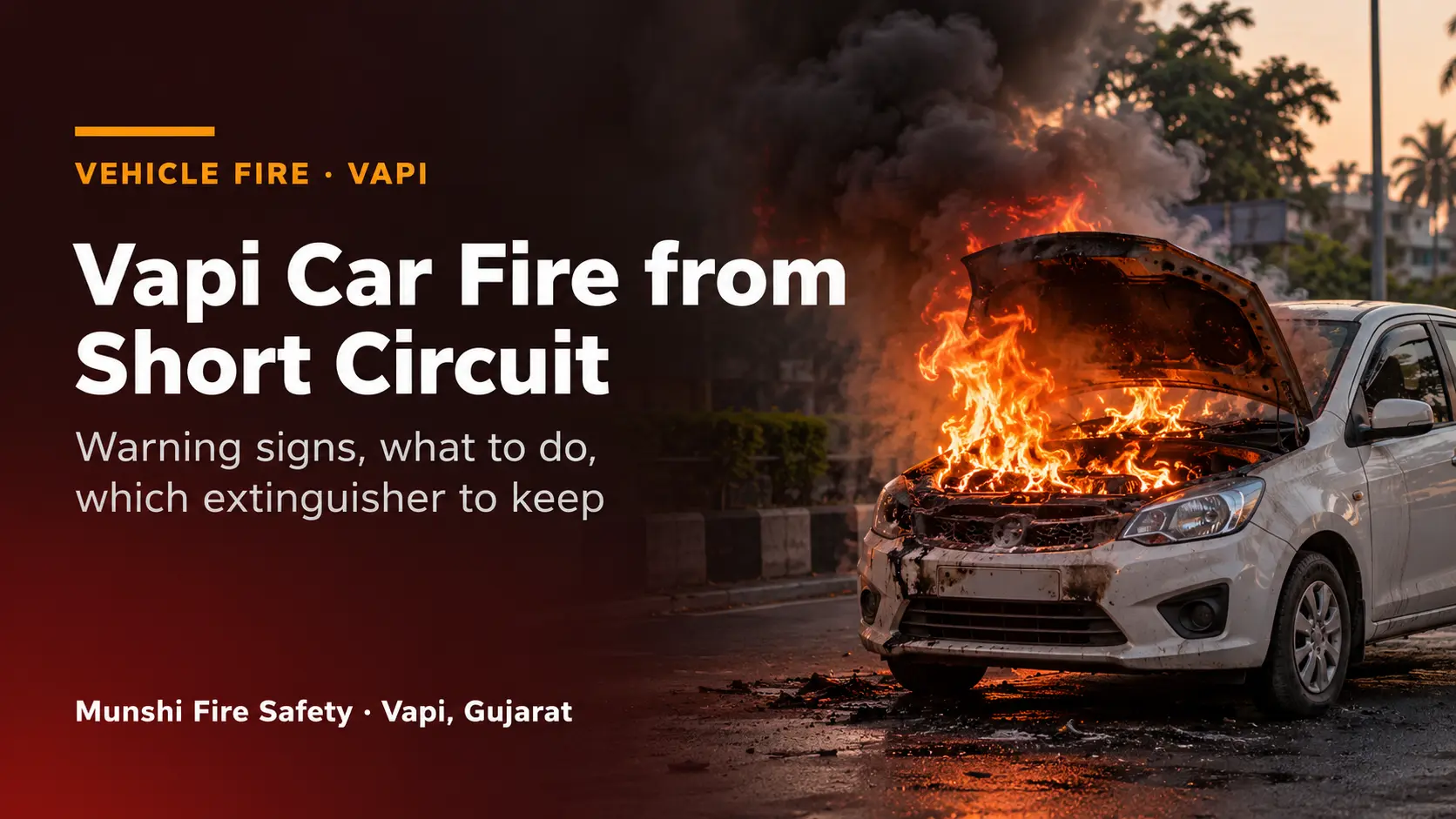
Table of Contents
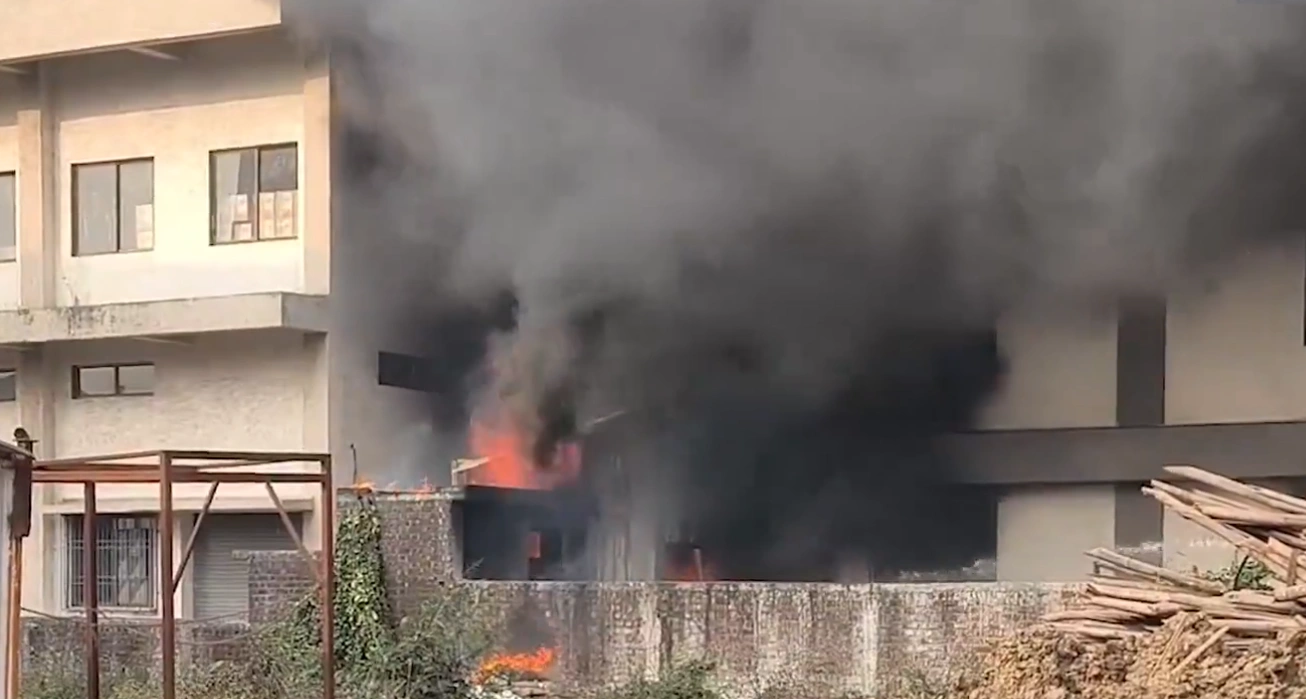
A parked Maruti Suzuki Ignis caught fire near the Sonoras Building in Vapi around 21 October 2026 and burned down to its frame, according to local reports. The fire is reported to have been caused by a short circuit. Vehicle fires can start even when no one is driving, and most can be prevented. This guide covers the causes, warning signs and what to do.
What was reported
Local news reports and social media posts from Vapi describe a Maruti Suzuki Ignis that was parked near the Sonoras Building (Sonoras Shopping, close to Dr. Agrawal Eye Hospital) and suddenly caught fire. A short circuit is reported as the initial suspected cause, and the car was completely burned. We have not seen an official finding, so treat the cause as reported, not confirmed. The same kind of fire can happen to any car, two-wheeler or commercial vehicle.
Why vehicles catch fire from electrical faults
- Aftermarket wiring: poorly fitted music systems, lights, horns and cameras are a common source of overloaded or exposed wires.
- Loose or corroded terminals: a loose battery connection can heat up and ignite nearby plastic and insulation.
- Old, cracked or rodent-damaged wiring: damaged insulation lets live wires touch and short.
- Wrong or bypassed fuses: a fuse of the wrong rating, or one that is bypassed, removes the protection that should cut the circuit.
- Fuel and oil leaks: a leak near a hot engine or a spark gives the fire more to burn.
A parked car is not safe from this: the battery is still connected, and a fault can heat up with the engine off.
Warning signs not to ignore
- A burning smell or smell of melting plastic
- Fuses blowing repeatedly
- Flickering lights or dashboard warning lights
- Smoke from under the dashboard or bonnet
- Wires that look hot, melted or exposed
If you notice any of these, get the car checked by a qualified mechanic before using it again.
What to do if your car catches fire
- Stop and switch off the engine at a safe place away from traffic and buildings.
- Get everyone out and move well away from the vehicle. Do not go back for belongings.
- Call 101 for the fire brigade.
- Fight it only if it is small and safe to do so. If the fire is under the bonnet, do not throw the bonnet fully open, since the extra air makes the fire worse. Open it slightly and discharge the extinguisher through the gap.
- Never use water on an electrical or fuel fire.
Which fire extinguisher should you keep in a vehicle?
A small ABC dry powder extinguisher (typically 1 to 2 kg) works on the solid, liquid and electrical fires common in vehicles. CO2 extinguishers are also suitable for electrical fires and leave no residue. Mount the extinguisher where you can reach it from the driver's seat and not in the boot, check the pressure gauge regularly and have it serviced or refilled on schedule. See our fire extinguisher refilling in Vapi.
Prevention checklist
- Use a qualified electrician for accessories, and not a roadside fix.
- Replace blown fuses only with the same rating.
- Have the battery terminals, wiring and fuel lines checked at every service.
- Do not leave phone chargers or other devices plugged in and unattended.
- Keep a charged, in-date extinguisher in the vehicle.
Fleet owners, transporters and factories with company vehicles can also contact us about extinguisher supply and servicing in Vapi and across South Gujarat.
The Munshi Fire Safety 6-Step Process
1. What was reported
Local news reports and social media posts from Vapi describe a Maruti Suzuki Ignis that was parked near the Sonoras Building (Sonoras Shopping, close to Dr. Agrawal Eye Hospital) and suddenly caught fire. A short circuit is reported as the initial suspected cause, and the car was completely burned. We have not seen an official finding, so treat the cause as reported, not confirmed. The same kind of fire can happen to any car, two-wheeler or commercial vehicle.
2. Why vehicles catch fire from electrical faults
- Aftermarket wiring: poorly fitted music systems, lights, horns and cameras are a common source of overloaded or exposed wires.
- Loose or corroded terminals: a loose battery connection can heat up and ignite nearby plastic and insulation.
- Old, cracked or rodent-damaged wiring: damaged insulation lets live wires touch and short.
- Wrong or bypassed fuses: a fuse of the wrong rating, or one that is bypassed, removes the protection that should cut the circuit.
- Fuel and oil leaks: a leak near a hot engine or a spark gives the fire more to burn.
A parked car is not safe from this: the battery is still connected, and a fault can heat up with the engine off.
3. Warning signs not to ignore
- A burning smell or smell of melting plastic
- Fuses blowing repeatedly
- Flickering lights or dashboard warning lights
- Smoke from under the dashboard or bonnet
- Wires that look hot, melted or exposed
If you notice any of these, get the car checked by a qualified mechanic before using it again.
4. What to do if your car catches fire
- Stop and switch off the engine at a safe place away from traffic and buildings.
- Get everyone out and move well away from the vehicle. Do not go back for belongings.
- Call 101 for the fire brigade.
- Fight it only if it is small and safe to do so. If the fire is under the bonnet, do not throw the bonnet fully open, since the extra air makes the fire worse. Open it slightly and discharge the extinguisher through the gap.
- Never use water on an electrical or fuel fire.
5. Which fire extinguisher should you keep in a vehicle?
A small ABC dry powder extinguisher (typically 1 to 2 kg) works on the solid, liquid and electrical fires common in vehicles. CO2 extinguishers are also suitable for electrical fires and leave no residue. Mount the extinguisher where you can reach it from the driver's seat and not in the boot, check the pressure gauge regularly and have it serviced or refilled on schedule. See our fire extinguisher refilling in Vapi.
6. Prevention checklist
- Use a qualified electrician for accessories, and not a roadside fix.
- Replace blown fuses only with the same rating.
- Have the battery terminals, wiring and fuel lines checked at every service.
- Do not leave phone chargers or other devices plugged in and unattended.
- Keep a charged, in-date extinguisher in the vehicle.
Fleet owners, transporters and factories with company vehicles can also contact us about extinguisher supply and servicing in Vapi and across South Gujarat.
Commonly Asked Questions
Where did the car fire in Vapi happen?
Reports place it near the Sonoras Building (Sonoras Shopping, near Dr. Agrawal Eye Hospital) in Vapi, around 21 October 2026. The cause was reported as a short circuit and has not been officially confirmed.
Can a car catch fire when it is parked and switched off?
Yes. The battery stays connected, so a wiring fault, loose terminal or accessory problem can overheat and start a fire even with the engine off.
Which extinguisher is best for a car?
A 1 to 2 kg ABC dry powder extinguisher is the common choice, since it handles solid, liquid and electrical fires. CO2 is also suitable for electrical fires. Mount it within reach of the driver.
Should I open the bonnet if the engine is on fire?
Do not throw it fully open. A sudden rush of air can make the fire flare up. Open it only slightly and discharge the extinguisher through the gap, or wait for the fire brigade.
How often should a car fire extinguisher be serviced?
Check the pressure gauge regularly and have it inspected and refilled as per the date and condition on the label. Munshi Fire Safety offers extinguisher refilling and servicing from our Vapi office.