Why Professional Maintenance is Non-Negotiable
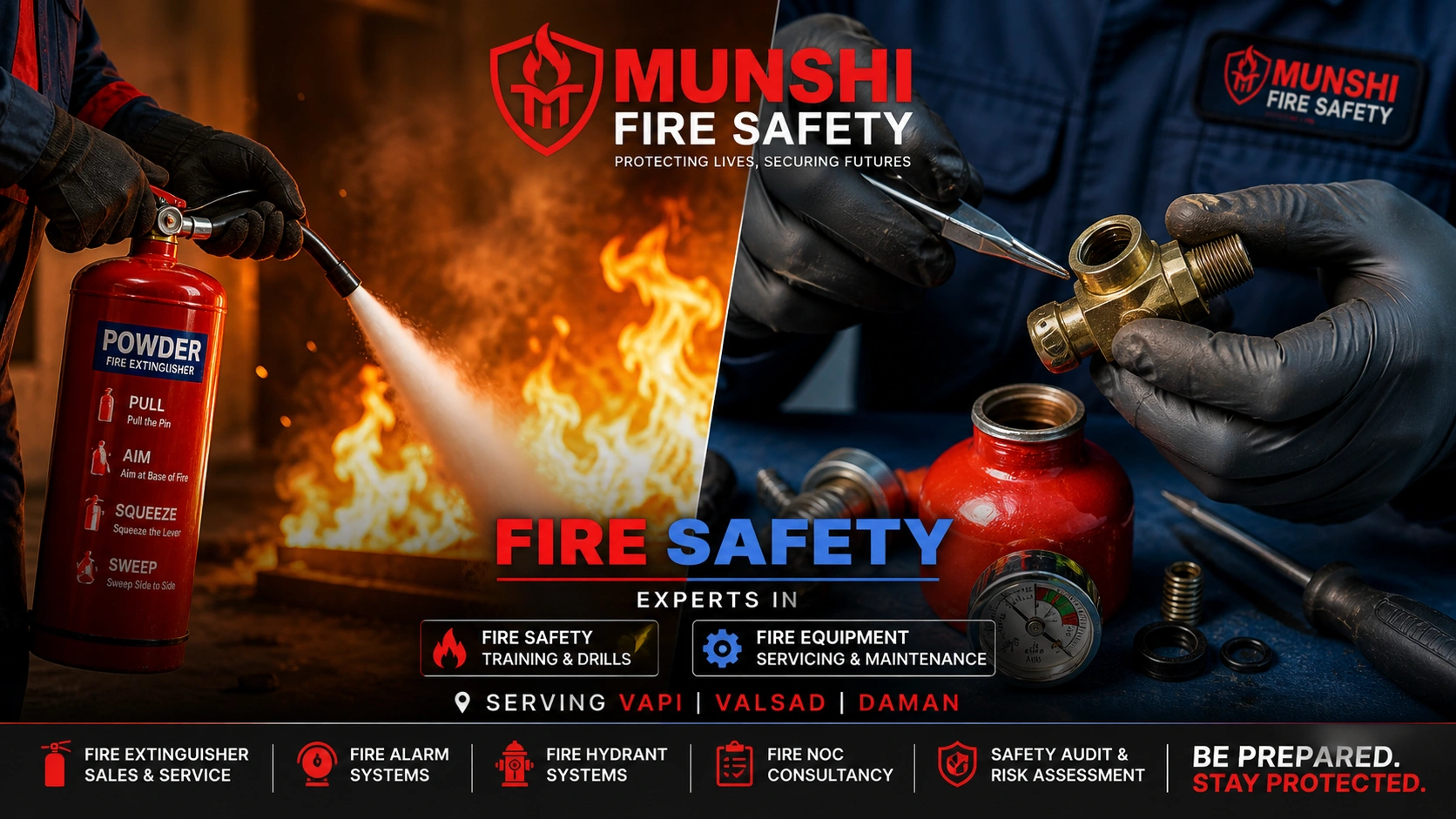
Table of Contents
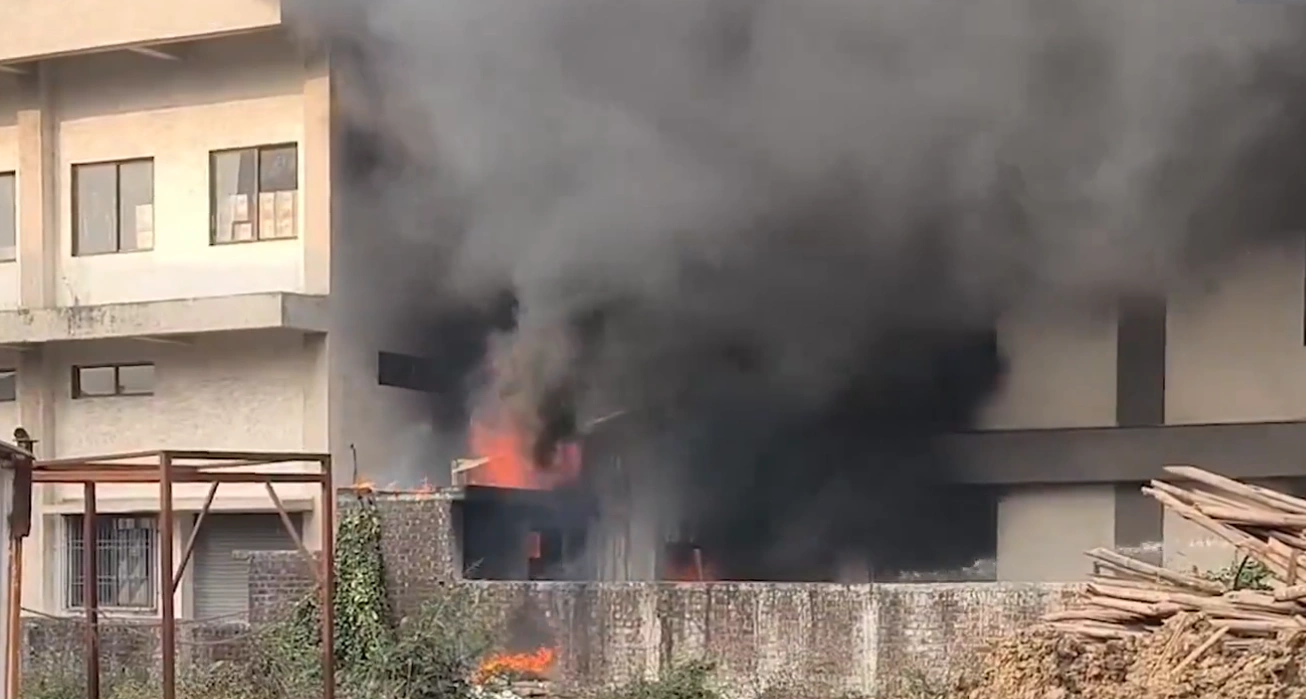
In an emergency, having a fire extinguisher nearby provides a sense of security, but having the wrong one—or one that hasn't been properly maintained—can be a fatal misconception. Whether you are managing an industrial facility in Vapi or a commercial kitchen in Daman, understanding that "one size does not fit all" is the first step toward true safety. This guide explores why precision maintenance and correct selection are the difference between a controlled incident and a catastrophe.
The Danger of the "One Size Fits All" Myth
A common error is assuming all extinguishers work on all fires. For instance, using water on a wood fire is effective, but using it on a grease fire will cause it to spread explosively, while electrical fires become incredibly deadly when hit with water. It is crucial to match your extinguisher perfectly to the specific fire class it might face.
The Science of Saponification in Class K Fires
In commercial kitchen environments, Class K extinguishers are essential. They utilize a process called saponification, which literally turns burning cooking fat into a cooling, soapy foam. This chemical reaction not only kills the flame but prevents the fat from re-igniting.
Why Professional Maintenance Beats DIY
You cannot DIY fire safety maintenance. Successful deployment in a crisis requires rigorous, professional background work. From checking for hidden corrosion to ensuring internal valves are rebuilt with precision, only a certified technician can guarantee your equipment is "battle-ready".
The Munshi Fire Safety 3-Step Process
1. The Danger of the "One Size Fits All" Myth
A common error is assuming all extinguishers work on all fires. For instance, using water on a wood fire is effective, but using it on a grease fire will cause it to spread explosively, while electrical fires become incredibly deadly when hit with water. It is crucial to match your extinguisher perfectly to the specific fire class it might face.
2. The Science of Saponification in Class K Fires
In commercial kitchen environments, Class K extinguishers are essential. They utilize a process called saponification, which literally turns burning cooking fat into a cooling, soapy foam. This chemical reaction not only kills the flame but prevents the fat from re-igniting.
3. Why Professional Maintenance Beats DIY
You cannot DIY fire safety maintenance. Successful deployment in a crisis requires rigorous, professional background work. From checking for hidden corrosion to ensuring internal valves are rebuilt with precision, only a certified technician can guarantee your equipment is "battle-ready".
Commonly Asked Questions
What is the PASS technique?
PASS is a universal four-step method for using an extinguisher: Pull the pin, Aim at the base of the fire, Squeeze the handle, and Sweep from side to side.
Why is "exact weight" important during refilling?
Precision refilling by exact weight ensures the extinguisher contains the correct amount of fire-suppressant agent to meet its rated capacity, ensuring it performs exactly as intended during an emergency.