Industrial service location
Fire Safety Services for Katargam GIDC
Munshi Fire Safety supports sites in Katargam GIDC (commonly “Old GIDC Katargam”) with fire extinguisher supply, refilling, inspection and planned maintenance, coordinated from our Vapi base. Katargam is one of the world’s largest diamond cutting and polishing clusters, with a fire-safety profile materially different from a typical textile or chemical GIDC estate — dust, electrical equipment and compressed-gas handling drive the scope, not solvent storage.
Munshi Fire Safety operates from Vapi and serves Katargam GIDC as a service location. This page does not represent a separate Katargam GIDC office, branch, workshop or warehouse.
Katargam GIDC: where it is and what it is
Katargam Industrial Estate (commonly “Old GIDC Katargam”), Katargam, North Zone, Surat Municipal Corporation, Surat City Taluka, Surat district, Gujarat — PIN 395004 (with sub-blocks at 395003 / 395005).
Park type: GIDC industrial estate (older notified estate — commonly “Old GIDC Katargam”) with a Shops & Warehouses Society and a Shed Holders Association. Distinct from the new Diamond Industrial Park at Sachin.
Developer / operator: Gujarat Industrial Development Corporation (GIDC). Industry Voice = Katargam Industrial Estate (Shops & Warehouses) Society Ltd. and the Shed Holders Association Katargam. (Quoted for context only; Munshi Fire Safety is not affiliated with GIDC or the associations.)
Connectivity: Located north of the Tapi river in Surat’s North Zone (Surat Municipal Corporation). Internal road network of roughly 45 km of 80–120 ft wide roads plus roughly 31 km of 40–80 ft roads per Times of India; close to the Surat Railway Station and to the eastern bank of the Tapi.
Industrial context
Katargam GIDC is part of the world-famous Surat diamond cutting and polishing cluster. Industry overviews reference thousands of diamond cutting units in the broader cluster; the estate also houses jewellery workshops, gem-setting units, packaging workshops and supporting trades. The fire-safety profile is materially different from a textile or chemical GIDC estate: combustible dust from polishing, electrical equipment (grinders, scaives, lasers), compressed-gas handling and small-gala densely packed units drive the equipment selection — not solvent storage. Equipment selection should still follow each unit’s actual hazards.
Industrial applications we can discuss
The final equipment and service scope depends on the actual fire risks, site layout and existing assets at your unit.
Diamond Cutting & Polishing Units
Cutting and polishing galas with combustible dust, electrical grinders, scaives and laser equipment need ABC coverage near machines and stored rough/polished stock, plus inspection tags.
Jewellery & Gem-Setting Workshops
Jewellery workshops handling small gas torches, flux and chemicals need ABC plus BC or CO2 coverage where specified for electrical work, with documented inspection.
Packaging & Support Workshops
Combustible packaging stock calls for ABC units along aisles and at exits, with documented inspection cycles.
Utility & Electrical Areas
Electrical rooms and switchboards for the cluster need CO2 or BC units where specified; ABC units cover general areas and exit routes.
Existing Equipment Fleets
An equipment register, photographs and service history help identify units needing inspection, refilling, maintenance or replacement across a cluster of small galas.
Relevant fire extinguishers
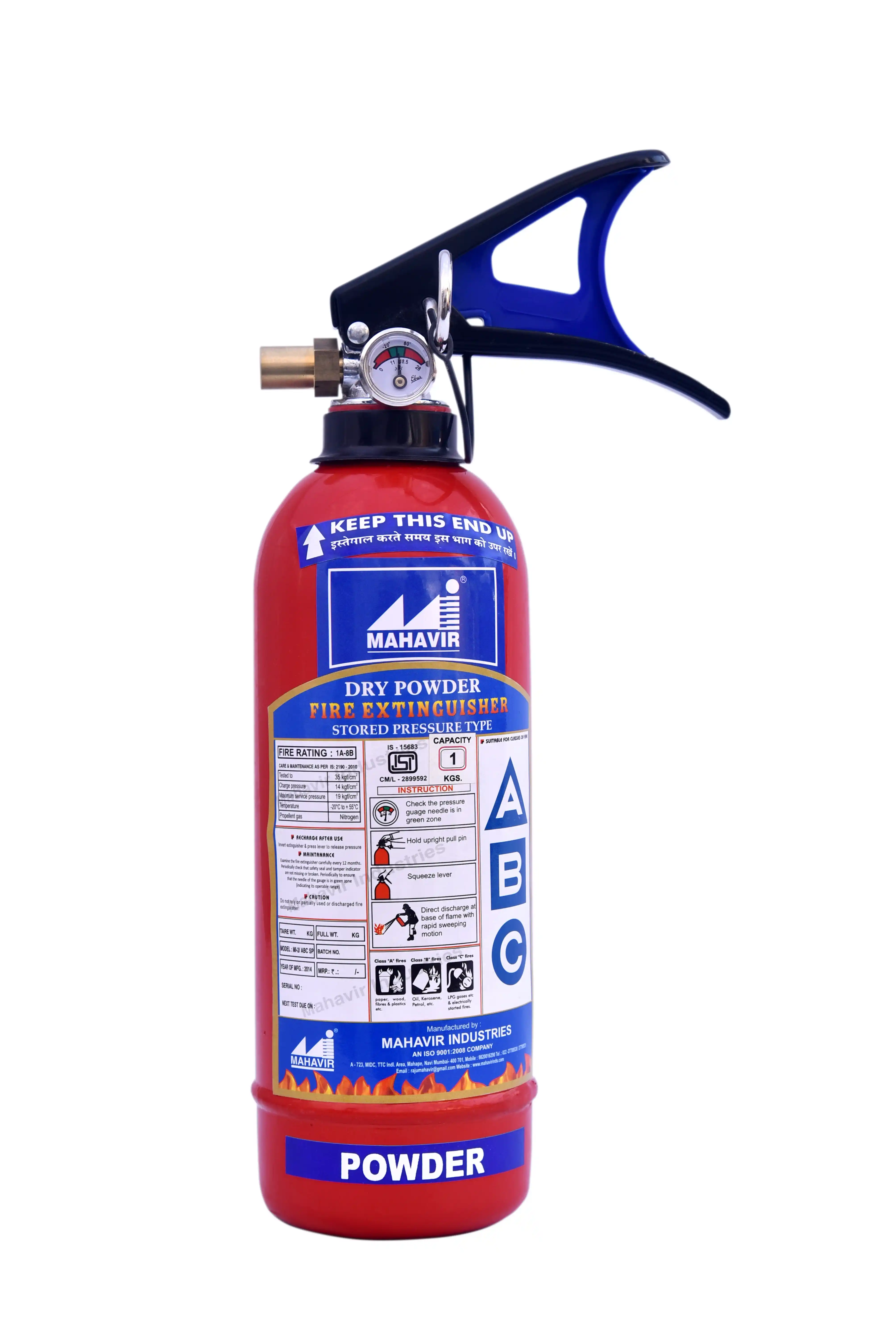
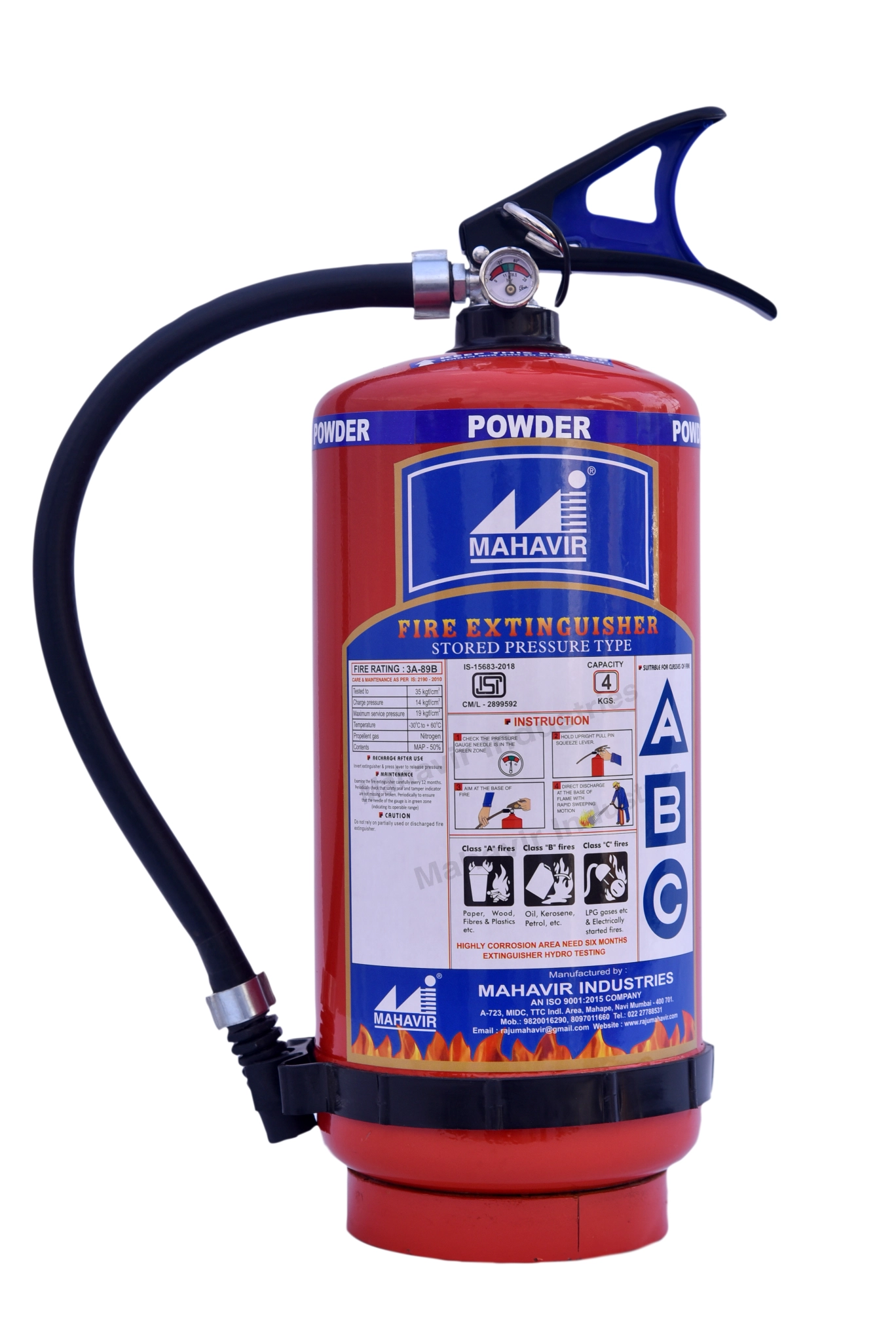
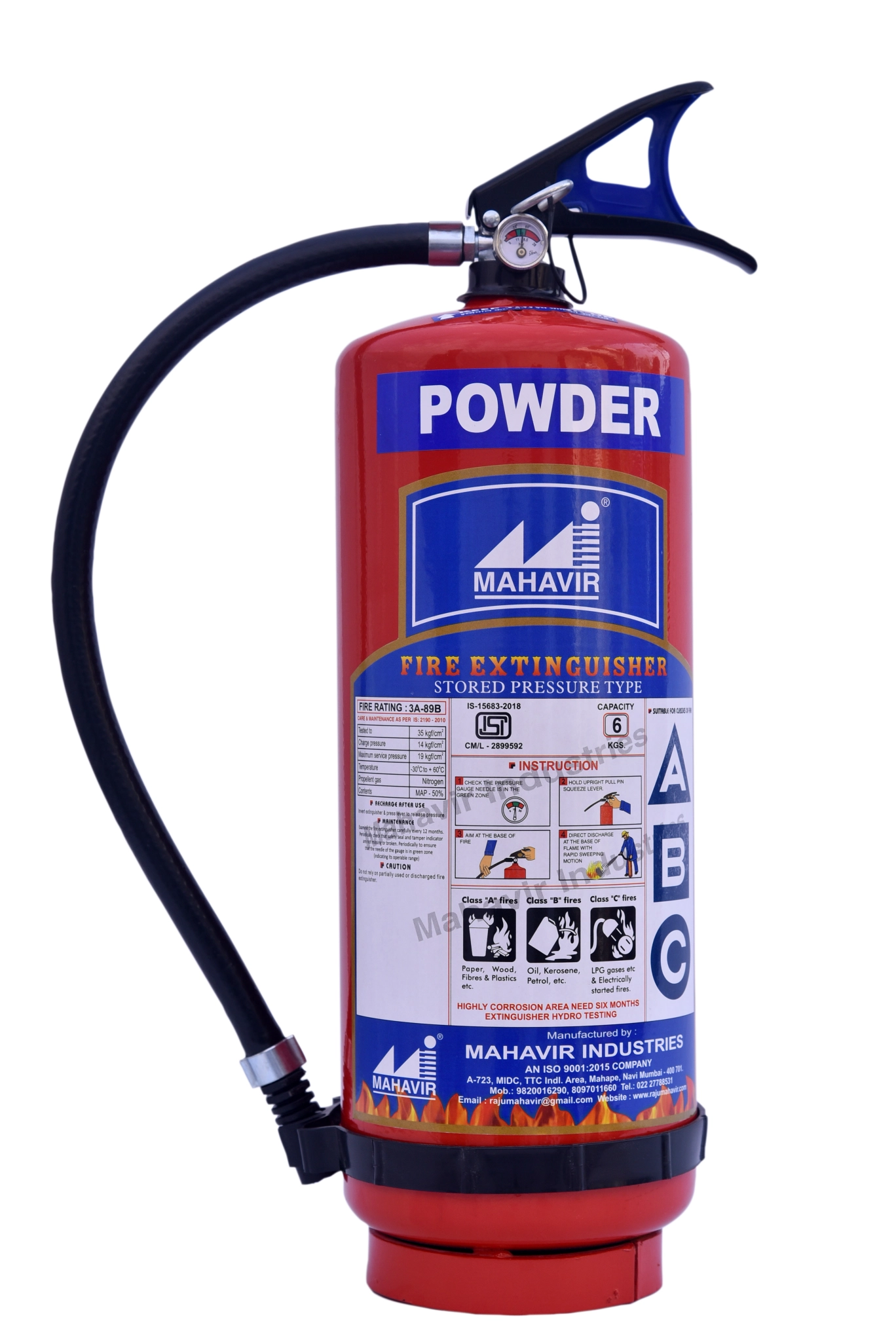
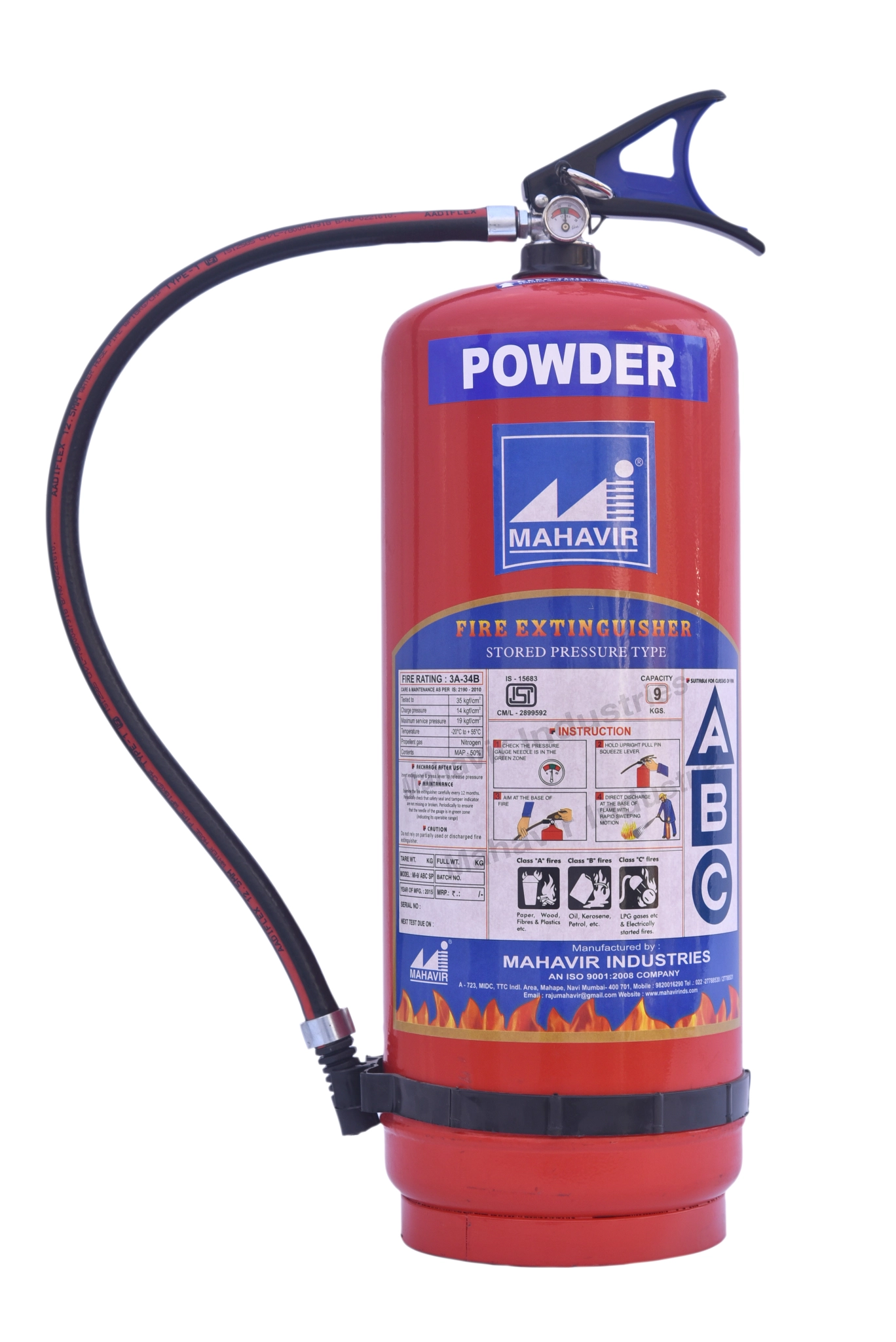
These are current catalog items. Capacity and extinguisher type should be selected against the fire classes and site requirement, not against the park’s name.
From site requirement to supply or service
Engagements are coordinated from Vapi, with delivery and on-site work arranged against the agreed scope.
- 01
Scoping discussion
You send extinguisher types, capacities, quantities and the site address. For new fit-outs we also accept a fire-load survey or consultant specification if you have one.
- 02
Configuration proposal
We review fire classes present, area size, occupancy and hazardous processes, then propose capacity per placement point and quantities.
- 03
Quotation
We respond with availability and pricing for supply, delivery and (if requested) on-site mounting. No invented turnaround promises — delivery depends on order size and stock.
- 04
Stock allocation & delivery
Stock is allocated from our Vapi base and shipped to the site. The delivery estimate is shared with the quote.
- 05
On-site mounting & walkthrough
Mounting at agreed locations, a brief operational walkthrough for staff, and supply documentation per unit.
- 06
Documentation
A supply record covering unit types, quantities, fire ratings and IS standards for your compliance file.
Why Choose Munshi Fire Safety
Munshi Fire Safety is a Vapi-based supplier of fire safety equipment, fire extinguishers and fire-protection services serving South Gujarat. We support businesses with supply, installation, refilling, inspection and maintenance through a single point of contact.
BIS-Certified Products
Extinguishers we supply carry the relevant BIS certification marked on the rating plate — IS 15683 for stored-pressure units and IS 2190 / IS 16018 for cartridge-type units.
Full Service Coverage
Supply, installation, refilling, inspection and maintenance through a single point of contact, so your extinguisher fleet stays operable across its service life.
South Gujarat Base
Katargam GIDC engagements are coordinated through our Vapi base; this does not represent a separate local office.
Frequently
asked questions
Common questions about arranging industrial fire-safety support for this service location.
No. Munshi Fire Safety operates from Vapi and serves Katargam GIDC as a service location. This page does not represent a separate office, branch, workshop or warehouse inside the estate.
The fire-safety profile is materially different from a textile or chemical estate. Combustible dust from polishing, electrical equipment (grinders, scaives, lasers), small-gas torches and densely packed galas drive the equipment selection — not solvent storage. We scope extinguisher types and capacities against the actual hazards at the unit; an equipment register or photographs help begin that discussion.
Share the unit type (cutting, polishing, jewellery, packaging), the equipment types and capacities, quantities, gala / shed number, and any consultant specification. A photograph of the rating plate on each existing extinguisher helps.
Yes. The unit type, rating plate and condition should be checked before refilling is scoped. For polishing units this is also the moment to catch clogged nozzles from dust exposure and mixed-agent contamination. Powders are never mixed across ABC and BC types.
No. We supply and service the equipment described on this site. Statutory approvals, system engineering, hydraulic sizing and commissioning should be handled by the appropriately licensed consultant or contractor.
Need fire-safety support for a Katargam GIDC site?
Send your equipment list, unit type and requirement. We will scope the appropriate supply, refilling, inspection or maintenance next step.