Product Details
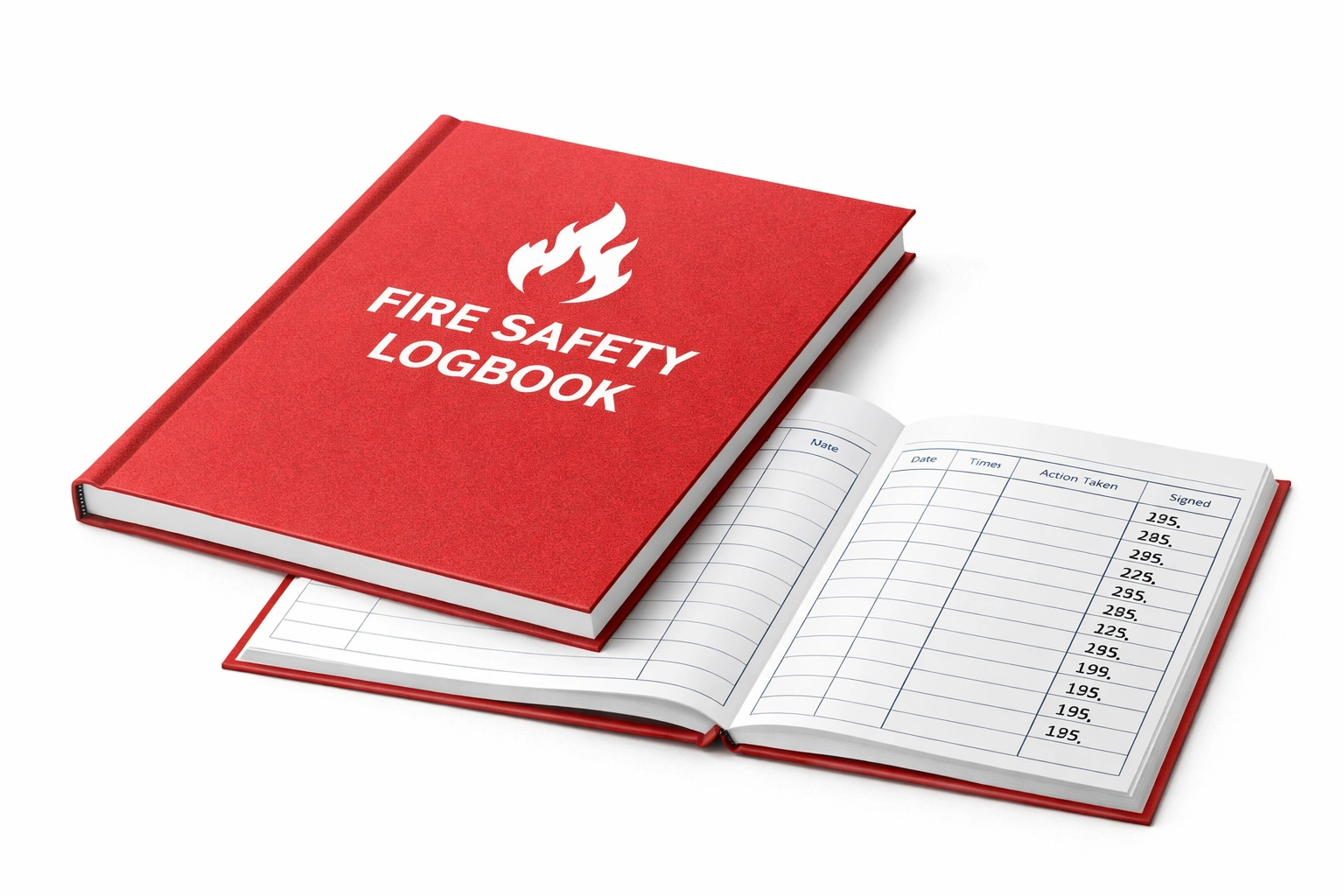
Fire Safety Logbook / Register – Hardbound (100+ Pages)
Quality Assured
Premium Products
Expert Support
We're here to help
Description
The fire safety logbook is the master record of every fire-safety activity performed at a facility. It captures the complete lifecycle of fire protection: equipment installations, inspections, services, hydrostatic tests, fire drills, alarm activations, false alarms, corrective actions, and regulatory visits. It is the one document that fire inspectors, insurance auditors, and factory inspectors ask for first—and the one document whose absence raises the most serious compliance questions.
This hardbound register is designed for professional fire-safety record-keeping. It contains 100+ pre-formatted pages with columns for: date, equipment ID/location, action performed (inspection/service/test/drill), findings and observations, corrective action taken, technician name and company, and next due date. The structured format ensures consistency across multiple technicians and eliminates the "blank notebook" problem where different people record different information in different formats.
The hardbound construction (stitched spine, rigid cover) ensures the logbook survives years of daily use in control rooms, security desks, and workshop environments. Pages are sequentially numbered to prevent removal or insertion, providing tamper-evident continuity for legal and audit purposes. A loose-leaf or spiral-bound format is not acceptable for compliance records because pages can be removed without detection.
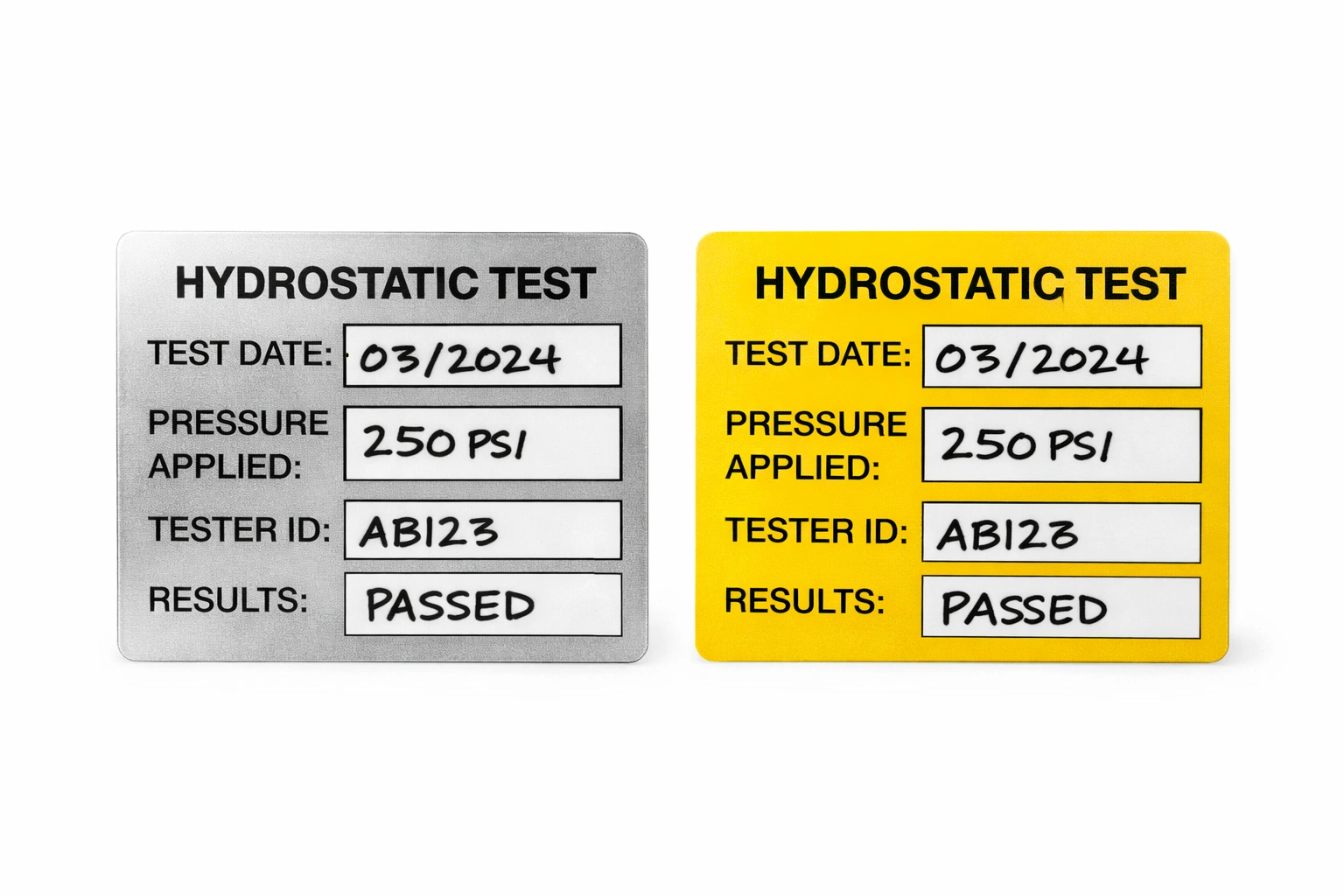
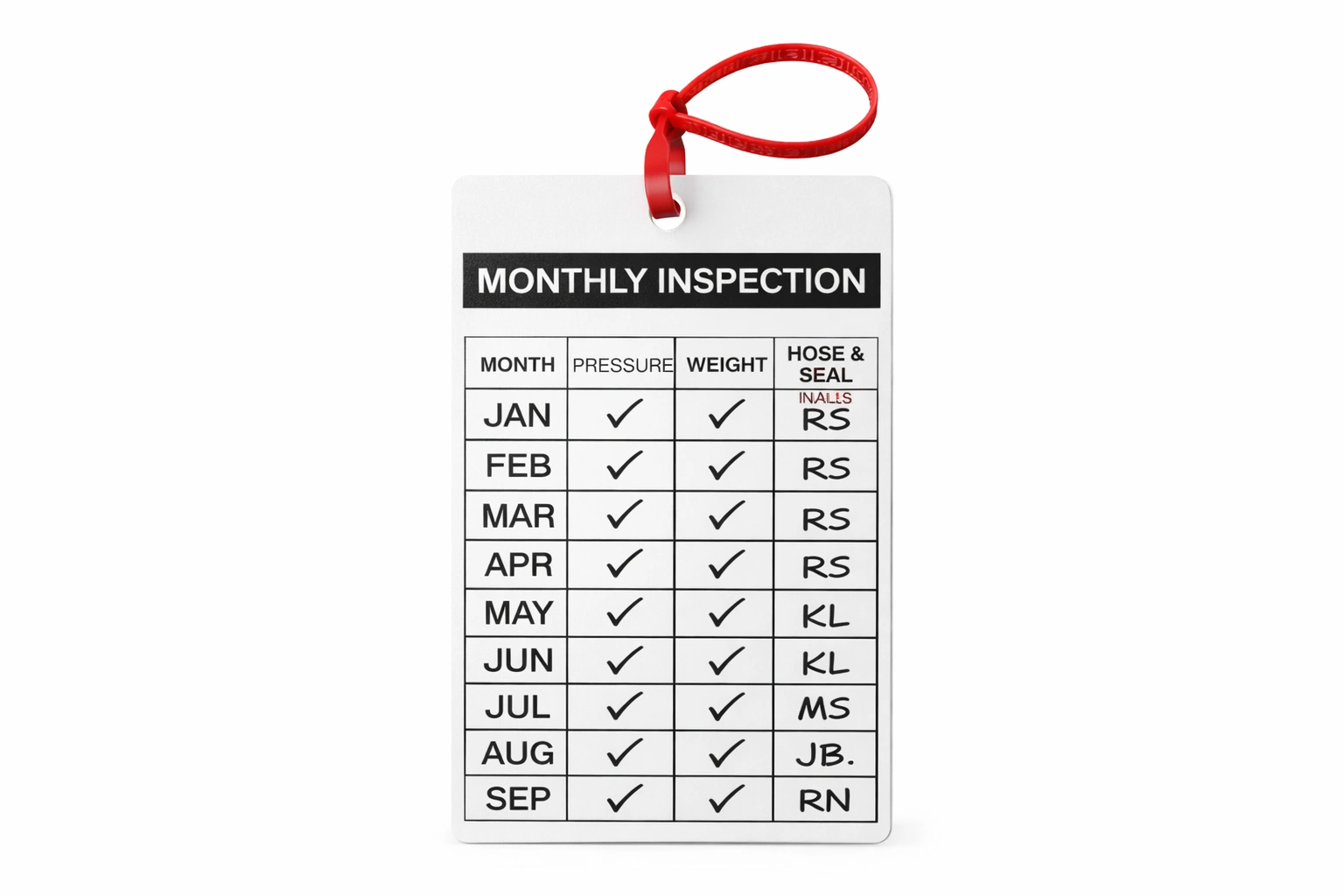
Key entries that should appear in every fire safety logbook include: monthly extinguisher inspection summaries, annual service records (with service provider details and certificate numbers), hydrostatic test results, fire alarm panel event logs (alarms, faults, resets), fire drill dates and observations, any fire incidents and investigation outcomes, corrective actions and their completion dates, and regulatory inspector visit records.
The logbook should be kept in a fixed, accessible location—typically the main security desk, fire control room, or EHS office. A designated person (usually the EHS officer or fire safety in-charge) is responsible for ensuring entries are made promptly and accurately. Contractor service providers should sign their entries in the client's logbook at the time of service—do not rely on post-facto entry from service reports.
Retention policy: keep completed logbooks for a minimum of 5 years; many regulatory frameworks and insurance policies recommend 10 years. Store completed volumes in a fire-rated document safe or scan them into a digital archive. The logbook is a legal document—entries should be made in permanent ink, corrections should be single-line strikethroughs (not erasures or correction fluid), and every entry should be dated and signed.
Frequently Asked Questions

Stay Informed: Fire & Safety News and Updates
Subscribe to our newsletter for timely announcements on the latest government fire safety regulations, industry standards, newly released safety equipment, and product availability. Whether it's new product launches or critical rule changes, we'll keep you up to date so you can stay prepared.