Product Details
ABC Dry Chemical Powder (MAP-Based) – 50% & 90% Grade
Quality Assured
Premium Products
Expert Support
We're here to help
Description
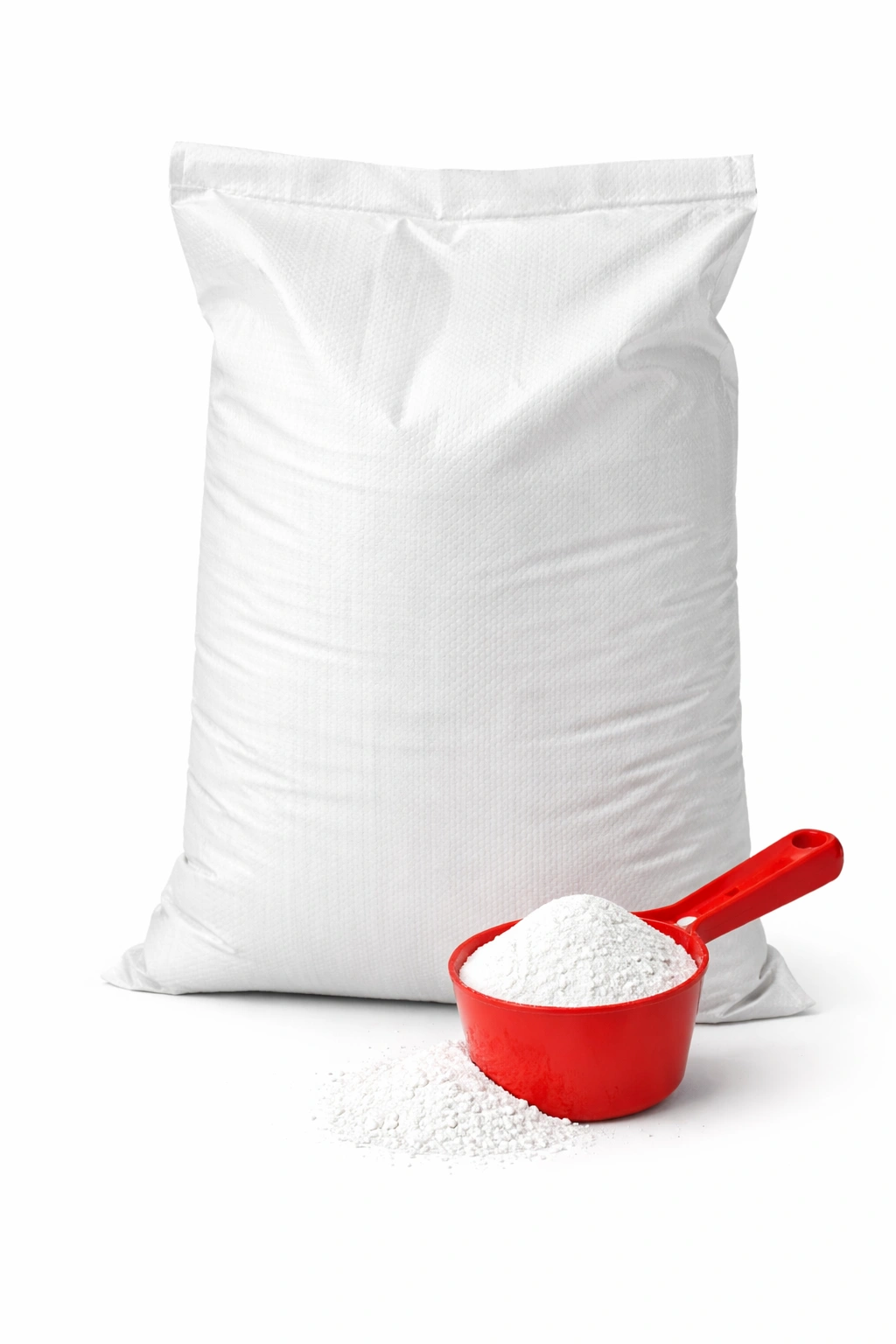
ABC dry chemical powder is the single most consumed refilling agent in fire-safety maintenance. Built on a monoammonium phosphate (MAP) base, it tackles Class A (ordinary combustibles), Class B (flammable liquids), and Class C (energised electrical equipment) fires in a single discharge. Every portable extinguisher labelled "ABC" depends on this powder, and every annual hydrostatic test or 5-year refill cycle creates fresh demand for it.
Two concentration grades dominate the Indian market. The 50 % MAP grade is the workaround for cost-sensitive industrial estates and small commercial premises. It meets IS 15683 requirements for general-purpose extinguishers and provides reliable knock-down performance on surface fires. The 90 % MAP grade is the premium choice—its higher active content produces a denser cloud that cools the fuel surface faster, forms a more cohesive char barrier on Class A materials, and significantly reduces the quantity of powder needed for the same fire rating. Facilities that pursue UL or FM listings, or that maintain extinguishers rated 4A:40B:C and above, almost universally specify 90 % MAP.
The powder is manufactured by reacting phosphoric acid with ammonia, followed by spray drying, surface coating with silicone or stearate flow agents, and rigorous sieve analysis to maintain a 20–25 µm median particle size. Proper particle-size distribution is essential: too fine and the powder agglomerates in humid storage; too coarse and throw distance and cloud density suffer. Every batch should arrive with a Certificate of Analysis (CoA) confirming MAP %, moisture content (< 0.25 %), bulk density, and flow-rate testing.
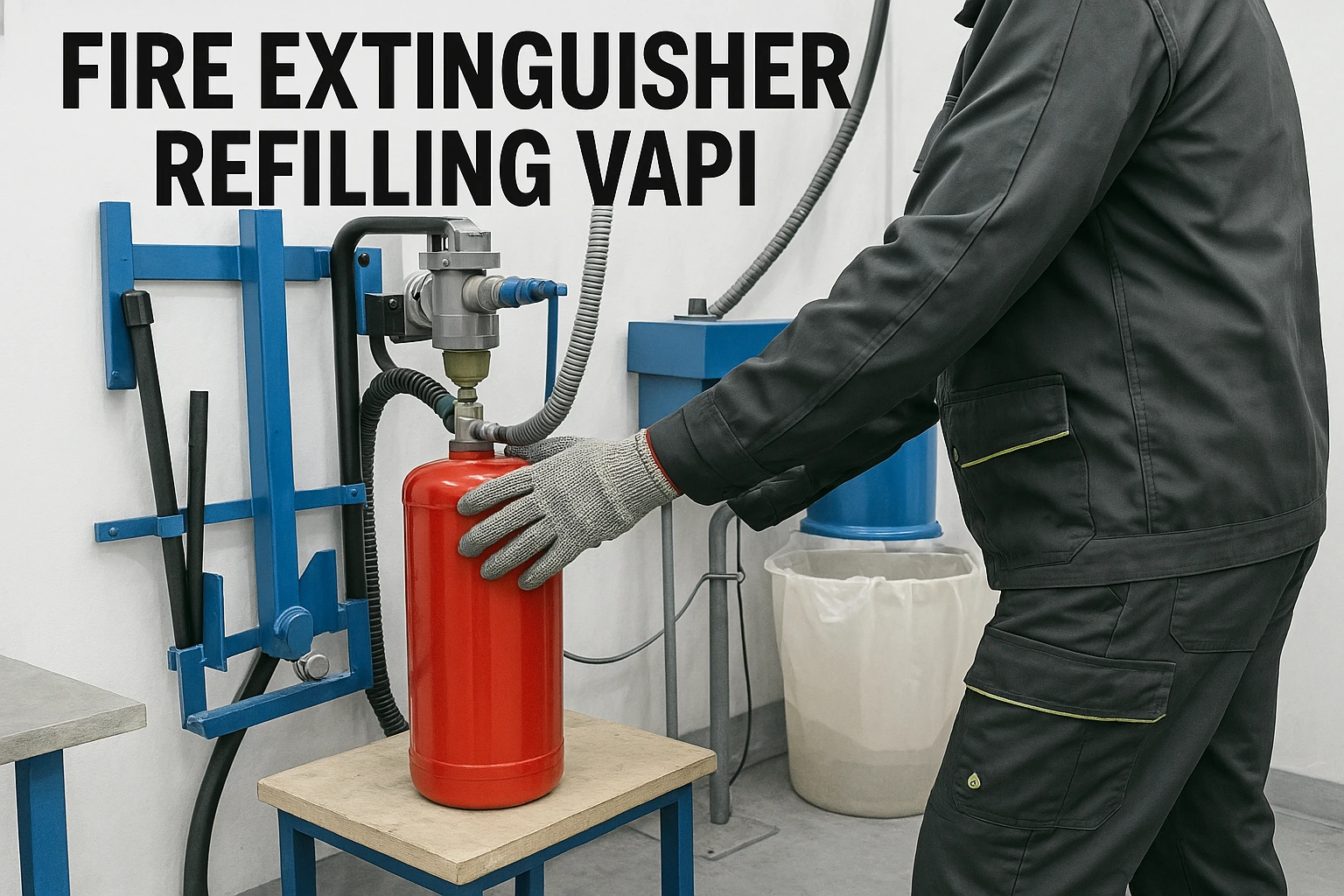
In the refilling workshop, powder is loaded into empty or discharged extinguisher shells after internal cleaning and drying. Moisture contamination is the most common cause of post-refill failure—caked powder refuses to fluidise under pressure, blocking the siphon tube or discharge nozzle. Proper storage in sealed polyethylene-lined bags on raised pallets, inside a climate-controlled store, is non-negotiable for quality refilling operations.
Regulatory context matters too. The Bureau of Indian Standards (BIS) mandates IS 14609 for dry chemical powders, while IS 15683 governs portable extinguisher performance. Many third-party inspection agencies now ask for lot traceability from powder manufacturer through to the refilled cylinder. Keeping incoming CoA records and matching them to refill job cards is an easy audit win that also protects the service provider legally.
Shelf life of properly stored MAP powder is typically 5–7 years from the date of manufacture. Powder that has been exposed to humidity, has changed colour (from pale yellow to brownish), or fails a simple dispersion test (pour a spoonful; it should not fall in clumps) must be replaced regardless of calendar age.
Frequently Asked Questions
Stay Informed: Fire & Safety News and Updates
Subscribe to our newsletter for timely announcements on the latest government fire safety regulations, industry standards, newly released safety equipment, and product availability. Whether it's new product launches or critical rule changes, we'll keep you up to date so you can stay prepared.