Product Details
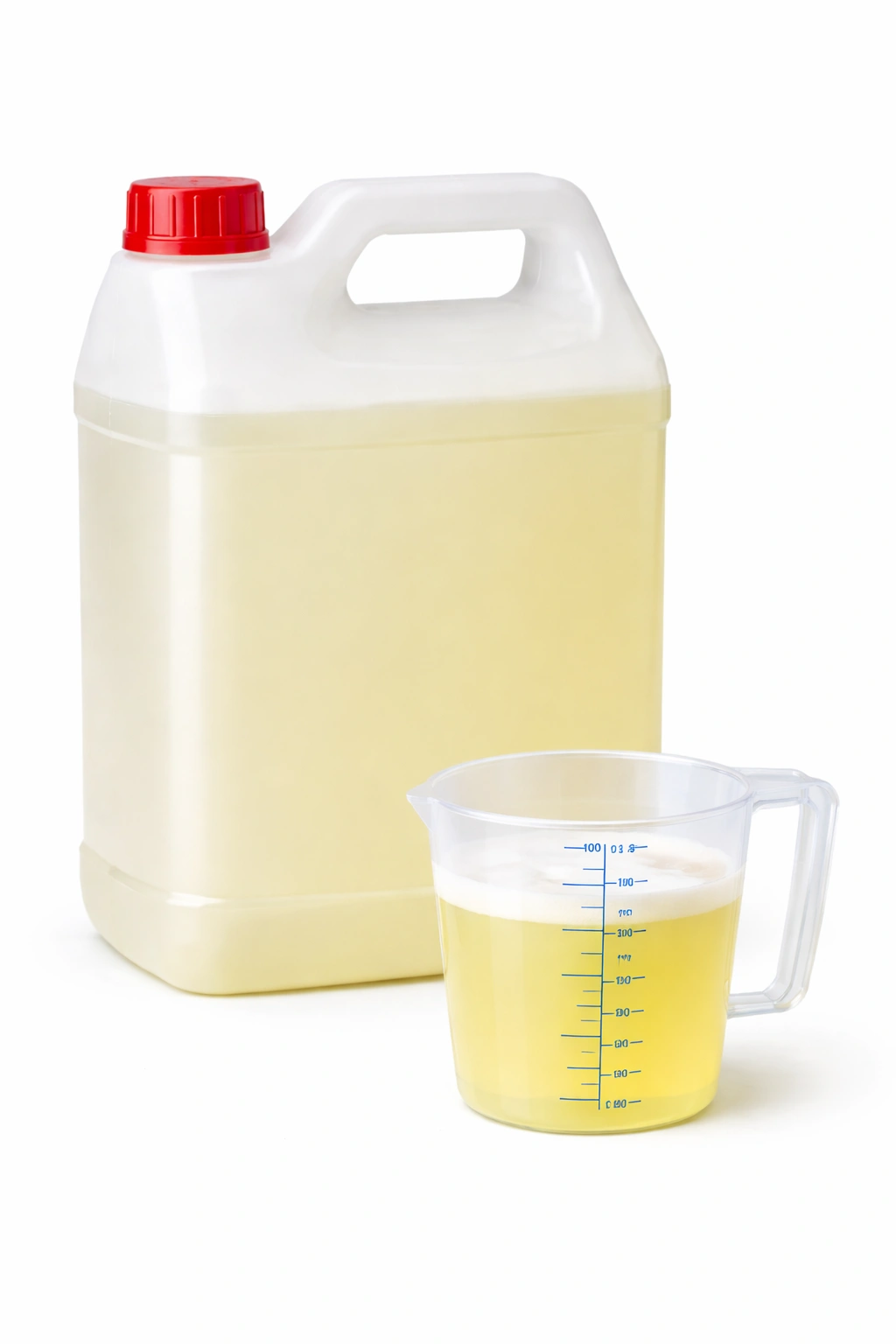
Wet Chemical Agent (Potassium Acetate / Citrate) – Class F/K
Quality Assured
Premium Products
Expert Support
We're here to help
Description
Wet chemical agent is the only extinguishing medium specifically engineered for Class F (Class K in US terminology) fires involving cooking oils, fats, and greases at temperatures above their auto-ignition point—typically 340 °C to 370 °C. When a deep-fat fryer or wok ignites, the fuel surface is already far above the boiling point of water. Discharging water, foam, or dry powder onto it causes violent steam explosions, splashing burning oil across the kitchen and onto personnel. Wet chemical avoids this catastrophe through a controlled saponification reaction.
The agent—a concentrated aqueous solution of potassium acetate, potassium citrate, or a blend of both—is discharged as a fine mist that converts the top layer of burning fat into a soapy foam blanket (saponification). This blanket seals the fuel surface, suppresses vapour release, and cools the oil below its auto-ignition temperature. Because the mist is gentle and the chemical reaction is controlled, there is no splash-back or violent steam generation.
Wet chemical is supplied as a ready-to-use liquid (no dilution required) in bulk containers for refilling portable Class F extinguishers and pre-engineered kitchen-hood suppression systems. Indian commercial kitchens—restaurants, hotel banquet halls, hospital canteens, and industrial mess facilities—are increasingly required by insurance auditors and NBC 2016 to install dedicated Class F protection, driving steady demand for this agent.
The solution is mildly alkaline (pH 9–11) and non-toxic. It is safe for incidental skin contact, but eye protection should be worn during refilling operations. Post-discharge cleanup involves wiping down the cooled saponified residue with warm water—far simpler than cleaning up ABC powder. The solution does not damage stainless-steel cooking equipment, tiles, or standard kitchen surfaces.
Storage is straightforward: keep containers sealed, upright, and between 5 °C and 45 °C. The solution does not degrade easily and has a shelf life of 10–12 years in factory-sealed containers. Once charged into an extinguisher, annual visual inspection and 5-yearly refill per IS 2190 apply.
When refilling, ensure the extinguisher is thoroughly cleaned and dried internally before recharging. Contamination with ABC powder residue or hard-water minerals can impair the saponification reaction and reduce effectiveness. Use only deionised or distilled water if dilution is ever required (some OEM formulations are pre-diluted; others are concentrate—always verify with the datasheet).
Frequently Asked Questions
Stay Informed: Fire & Safety News and Updates
Subscribe to our newsletter for timely announcements on the latest government fire safety regulations, industry standards, newly released safety equipment, and product availability. Whether it's new product launches or critical rule changes, we'll keep you up to date so you can stay prepared.