Product Details
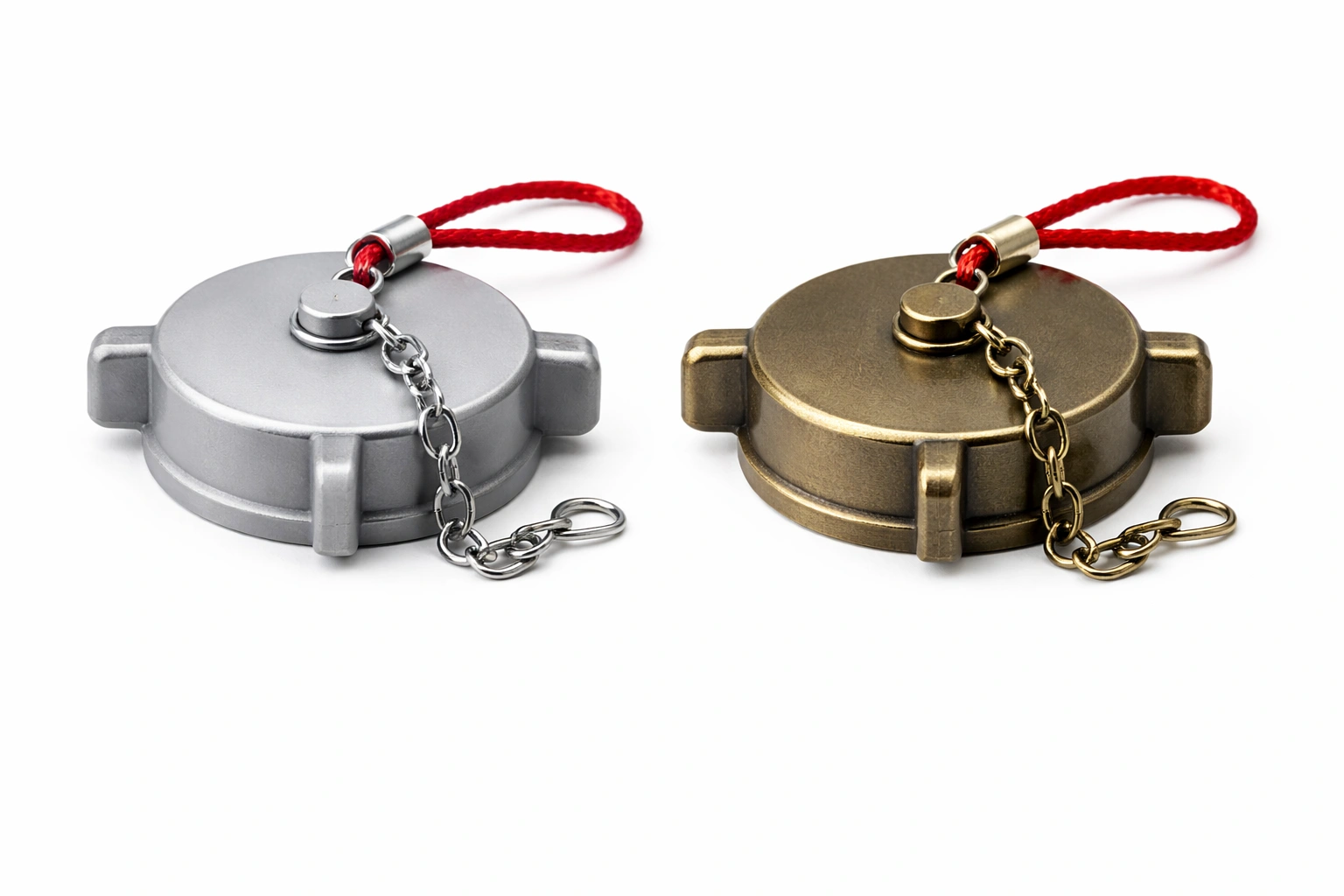
Hydrant Blank Cap – PVC & Gunmetal (63 mm Instantaneous)
Quality Assured
Premium Products
Expert Support
We're here to help
Description
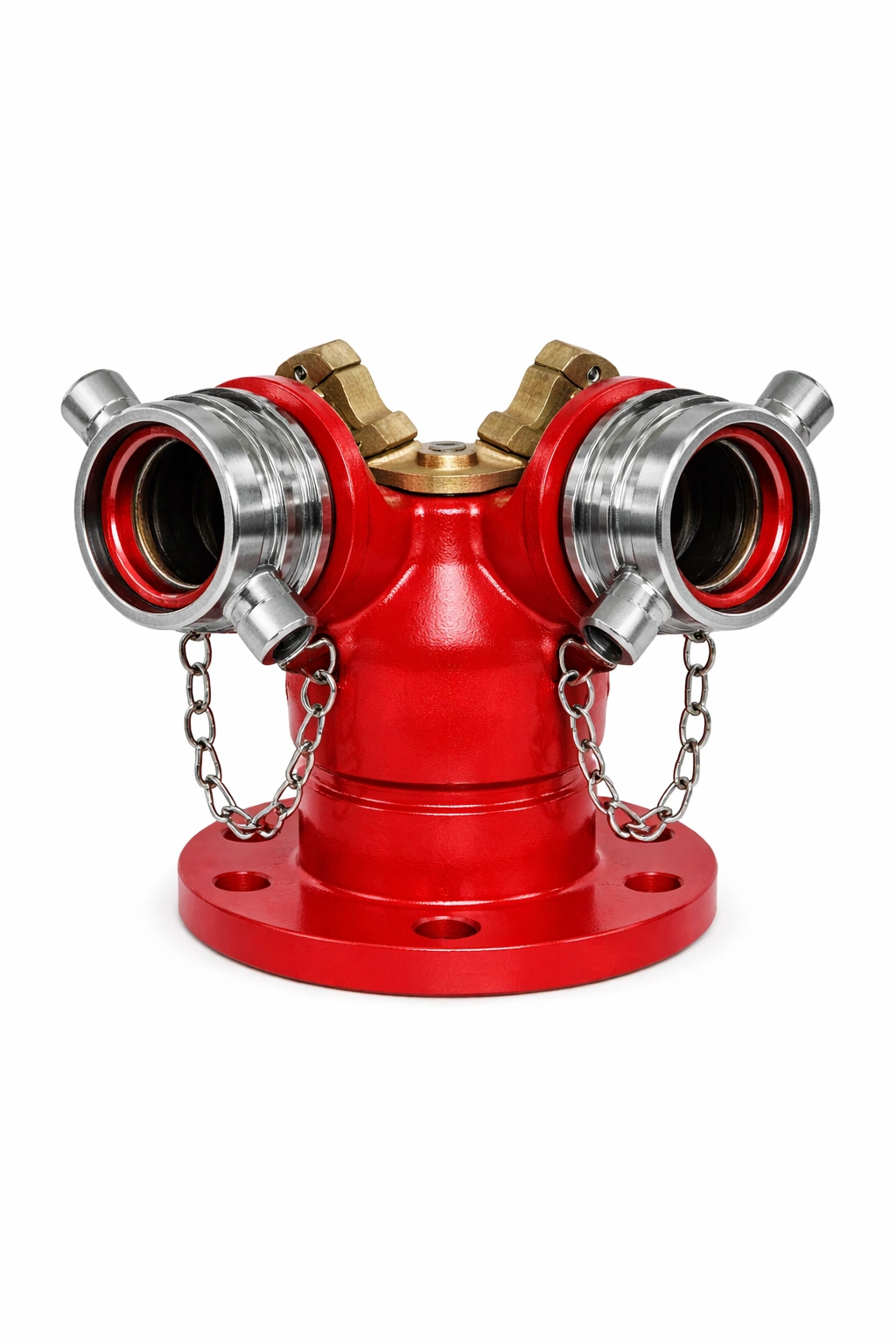
The hydrant blank cap is a protective closure fitted over unused landing-valve outlets and standpipe connections. Its primary function is to prevent the ingress of dust, debris, insects, rainwater, and small animals into the hydrant waterway. A blocked or contaminated hydrant outlet discovered during an emergency is a catastrophic operational failure—minutes spent clearing debris from a clogged landing valve are minutes the fire is growing unchecked.
Two material choices serve different threat profiles. PVC blank caps are lightweight, corrosion-proof, and—critically—have near-zero scrap value. In public-access locations (GIDC estate roads, municipal standpipes, building exteriors), PVC caps dramatically reduce theft compared to metal alternatives. Their limitation is pressure retention: PVC caps are dust covers, not pressure-rated closures. If the landing valve leaks, a PVC cap may pop off under residual pressure.
Gunmetal (bronze) blank caps are the traditional heavy-duty option. Machined from cast gunmetal, they thread or latch onto the instantaneous coupling with a positive mechanical lock and can withstand full system pressure. They are specified for industrial sites with secure perimeters where theft risk is managed and where the cap may need to contain residual pressure from a partially closed landing valve. The downside is obvious: gunmetal has high scrap value, making it a target for theft in unsecured areas.
The standard size for Indian fire hydrant systems is 63 mm (2½″) instantaneous female, matching the ubiquitous IS 903 coupling. Caps are also available in 37 mm (first-aid hose reel connections) and 100 mm (large-diameter mains) for less common applications. Always verify the coupling type before ordering—there is no cross-compatibility between instantaneous, storz, and threaded coupling standards.
A retention chain (galvanised steel or stainless steel) should be permanently attached between the cap and the landing-valve body or cabinet to prevent loss. In corrosive environments (coastal, chemical), use stainless-steel chain and shackles. Inspect chains quarterly for corrosion, link integrity, and secure attachment points.
During hydrant inspections, remove the cap, check the outlet for debris or nesting, operate the landing valve briefly to confirm water flow, then refit the cap and secure the chain. Record the inspection in the fire-safety logbook and on the hydrant tag.
Frequently Asked Questions
Stay Informed: Fire & Safety News and Updates
Subscribe to our newsletter for timely announcements on the latest government fire safety regulations, industry standards, newly released safety equipment, and product availability. Whether it's new product launches or critical rule changes, we'll keep you up to date so you can stay prepared.