Product Details
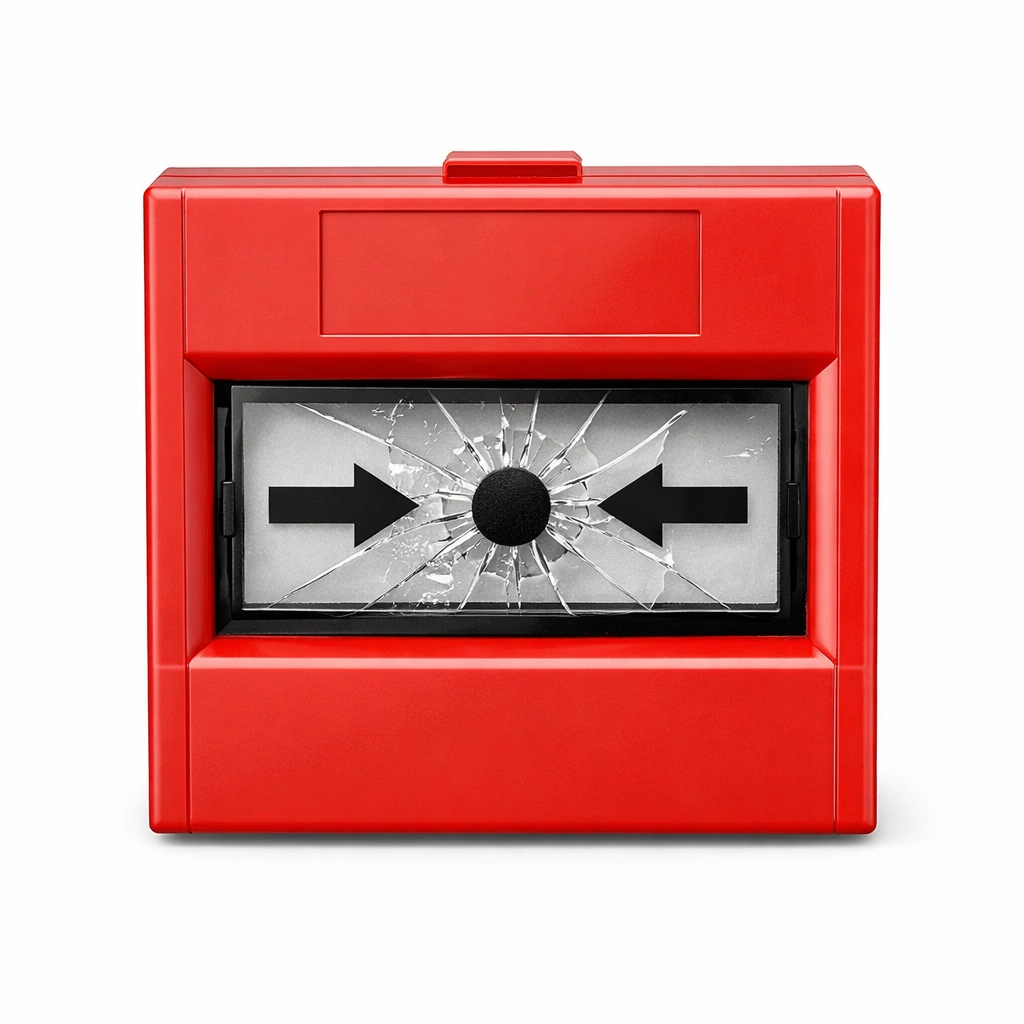
Manual Call Point Break Glass Element – Frangible Glass & Resettable Plastic
Quality Assured
Premium Products
Expert Support
We're here to help
Description
The break glass element is the sacrificial trigger component inside a manual call point (MCP). When an occupant discovers a fire and strikes the MCP with their palm, the element shatters (glass) or deforms (resettable plastic), releasing the internal micro-switch and activating the fire alarm. After activation, the element must be replaced (glass) or reset (plastic) before the MCP can be returned to standby. This makes the element a recurring maintenance consumable for every building with a manual fire alarm system.
Two technology options serve different operational philosophies. Frangible glass elements are the traditional standard. They provide unambiguous tamper evidence—a broken glass panel is visible proof that the MCP was genuinely activated, not merely bumped or tested. This makes glass elements preferred for high-security sites, public buildings, and insurance-sensitive installations where the distinction between genuine activation and false alarm must be clear. The downside is consumable cost: every activation—including routine testing—destroys an element that must be replaced from stock.
Resettable plastic elements are the modern alternative. They mimic the tactile "break" feel of glass but are designed to be pushed back into place with a special reset key after activation. This eliminates the need for replacement stock and the sharps hazard of broken glass. Resettable elements are increasingly popular in commercial offices, hotels, and facilities with frequent fire drills where the cost and logistics of glass replacement are burdensome.
Compatibility is the key purchasing consideration. Break glass elements are not universal—each MCP manufacturer (Agni, Honeywell, Morley, Ravel, Siemens, etc.) uses a proprietary element geometry. Stocking the wrong element is a common and frustrating workshop error. Maintain a cross-reference list of MCP models installed on each site and their corresponding element part numbers.
Glass elements should be stored in their original foam-lined packaging to prevent accidental breakage in the service kit. Carry at least 5 spares per MCP model per service visit. After replacing a glass element, test the MCP by pressing a non-functional test point (if available) or by carefully activating and observing panel response, then reset the panel and log the event.
For resettable elements, carry the correct reset key for each manufacturer. After resetting, perform a functional test to confirm the micro-switch has returned to standby position. Log the reset in the fire alarm logbook with the MCP address and date.
Frequently Asked Questions

Stay Informed: Fire & Safety News and Updates
Subscribe to our newsletter for timely announcements on the latest government fire safety regulations, industry standards, newly released safety equipment, and product availability. Whether it's new product launches or critical rule changes, we'll keep you up to date so you can stay prepared.