Product Details
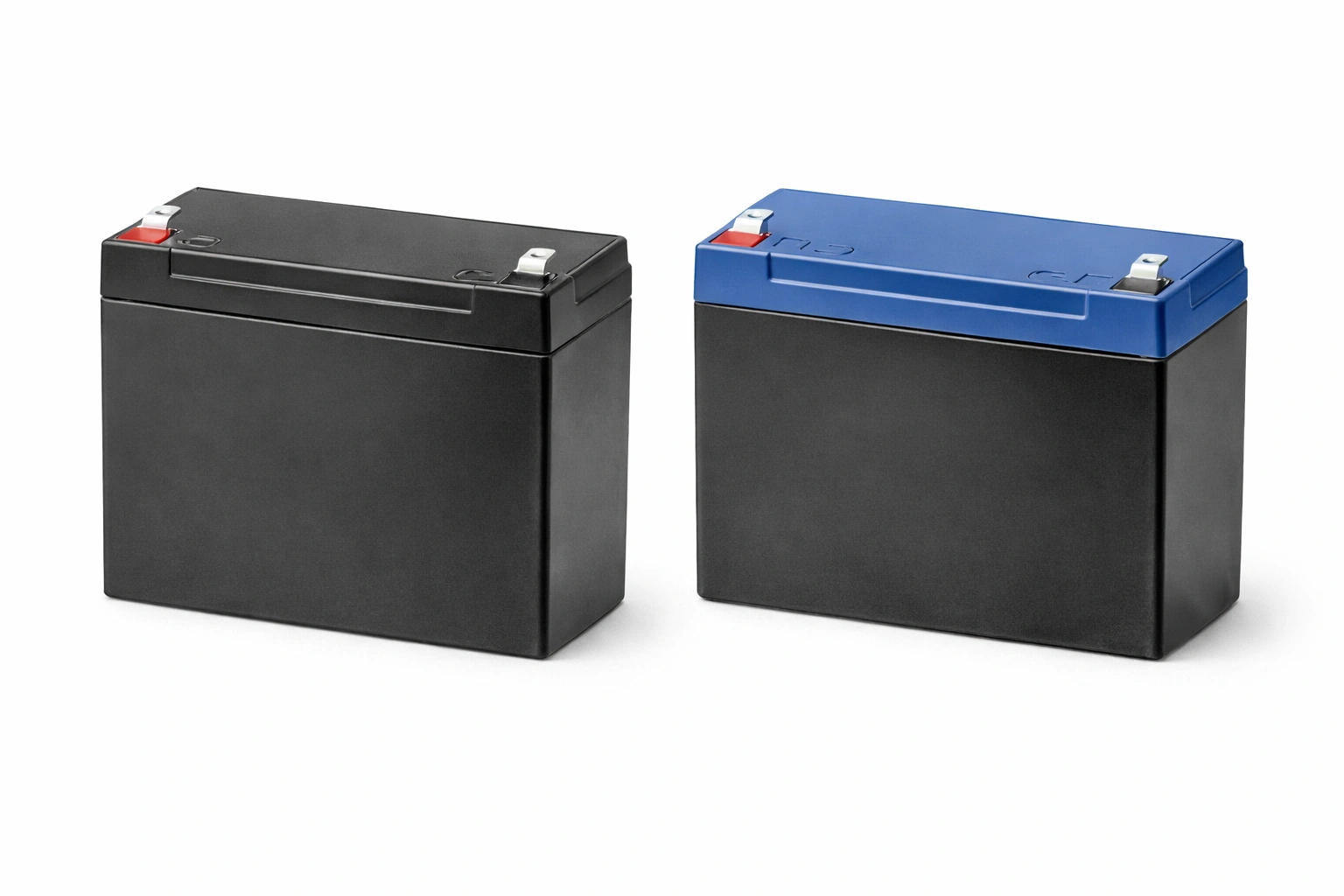
Sealed Lead-Acid (SLA) Battery – 12 V VRLA for Fire Panels & Emergency Lights
Quality Assured
Premium Products
Expert Support
We're here to help
Description
Sealed lead-acid (SLA) batteries—technically known as Valve-Regulated Lead-Acid (VRLA) batteries—are the universal standby power source for fire alarm control panels, emergency lighting systems, and ancillary fire-safety equipment. When mains power fails, these batteries provide the critical bridge that keeps the fire alarm system monitoring, the sounders ready, and the emergency lights illuminated for the code-mandated standby period (typically 24–72 hours standby plus 30 minutes alarm per IS 2189).
The battery range spans five capacity tiers to match the current draw of different systems: 7 Ah for small conventional panels (2–4 zones) and individual emergency luminaires; 12 Ah for medium addressable panels (up to 8 loops); 18 Ah for large panels with integrated voice evacuation; 26 Ah for network panels and multi-loop systems; and 42 Ah for central battery emergency lighting systems and large head-end equipment. Capacity selection is determined by the panel manufacturer's battery-calculation worksheet, which accounts for quiescent current draw, alarm current draw, and the required standby duration.
All batteries in this range use Absorbed Glass Mat (AGM) technology—the electrolyte is absorbed into fiberglass mats between the plates, making the battery spill-proof, orientation-insensitive, and maintenance-free. AGM batteries do not require topping up with distilled water, do not emit hydrogen gas under normal charge conditions, and can be mounted in any position (upright, on their side, or inverted) without leakage. This makes them safe for installation inside fire alarm panels, above suspended ceilings, and in enclosed equipment rooms.
The primary enemy of SLA battery life is heat. For every 10 °C increase in ambient temperature above 25 °C, battery life is approximately halved. A battery rated for 5 years at 25 °C may last only 2.5 years at 35 °C—a common panel-cabinet temperature in un-air-conditioned Indian industrial facilities. This is why a 3-year planned replacement cycle is the industry-standard best practice for fire-panel batteries, regardless of apparent condition. Waiting for the battery to fail during a power outage—and discovering that the fire alarm has been running unmonitored—is an unacceptable risk.
Battery testing should be performed annually (at minimum) using a dedicated battery tester that measures internal resistance and performs a controlled load test. A simple voltage check is insufficient: a degraded battery may show 13.2 V on open circuit but collapse to below 10 V under load. Record test results in the fire alarm logbook and tag the battery with the installation date and next replacement due date.
Disposal of spent SLA batteries must comply with hazardous-waste regulations. Lead-acid batteries are classified as hazardous waste and must be returned to an authorised recycler. Maintain a disposal manifest for audit purposes. Never dispose of SLA batteries in general waste or allow them to accumulate in storage without a disposal plan.
Frequently Asked Questions
Stay Informed: Fire & Safety News and Updates
Subscribe to our newsletter for timely announcements on the latest government fire safety regulations, industry standards, newly released safety equipment, and product availability. Whether it's new product launches or critical rule changes, we'll keep you up to date so you can stay prepared.