Product Details
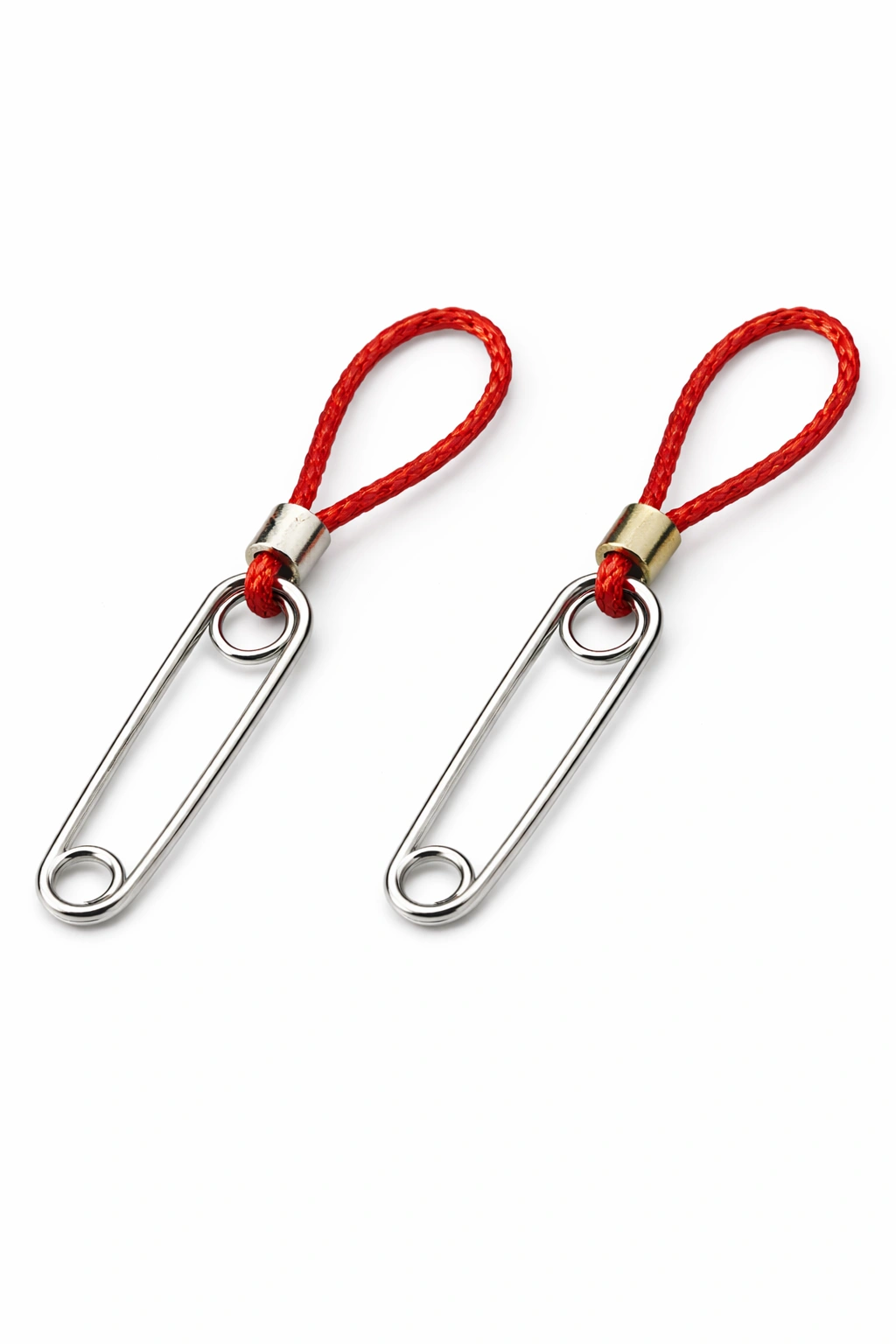
Extinguisher Safety Pin – Stainless Steel 304 / Zinc-Plated MS
Quality Assured
Premium Products
Expert Support
We're here to help
Description
The safety pin is the mechanical interlock that prevents accidental discharge of a portable fire extinguisher. It passes through the valve handle and frame, physically blocking the squeeze mechanism until the operator deliberately pulls the pin under emergency conditions. A missing, bent, corroded, or seized pin transforms an extinguisher from a ready-response device into either a liability (accidental discharge) or an unusable paperweight (seized pin that cannot be pulled).
Two material grades serve distinct environmental needs. Zinc-plated mild steel (MS) is the standard, cost-effective option for indoor, climate-controlled environments—offices, corridors, server rooms, and covered industrial bays. The zinc coating provides adequate corrosion protection in dry conditions for 5+ years. Stainless steel 304/316 is specified for coastal facilities, open-air installations, chemical plants, and any location where humidity, salt spray, or chemical fumes accelerate corrosion. In the GIDC Vapi industrial corridor, where monsoon humidity routinely exceeds 85 % and chemical vapour exposure is common, stainless steel pins are the default specification for outdoor and process-area extinguishers.
Each pin is formed from wire of a specific gauge (typically 2.0–3.0 mm diameter), bent to a manufacturer-specific geometry that matches the valve handle and frame alignment holes. The pull ring at the top must be large enough for a gloved hand to grip under stress—at least 25 mm ID. A tamper-evident seal is threaded through the pin ring before the extinguisher is returned to service.
Critical quality points: the pin must slide freely through the handle holes without excessive play (which allows rattling and wear) or binding (which impedes rapid removal). Pins that are too tight can seize over time as corrosion products build up on the wire-to-hole interface. Pins that are too loose can fall out during transport or vibration, leaving the extinguisher unprotected against accidental discharge.
During annual servicing, the pin should be removed, inspected for straightness and corrosion, and functionally tested (slide in/out smoothly, pull ring intact). Replace any pin showing visible rust, bending, burrs, or pull-ring deformation. At the 5-year refill, replace all pins as standard practice regardless of apparent condition.
Never fabricate pins from generic wire or hardware-store materials. OEM-specification pins are manufactured to precise tolerances for the specific valve model. A pin that is too thick can damage the handle holes; one that is too thin provides insufficient interlock strength and may shear under accidental impact.
Frequently Asked Questions
Related Products

Stay Informed: Fire & Safety News and Updates
Subscribe to our newsletter for timely announcements on the latest government fire safety regulations, industry standards, newly released safety equipment, and product availability. Whether it's new product launches or critical rule changes, we'll keep you up to date so you can stay prepared.