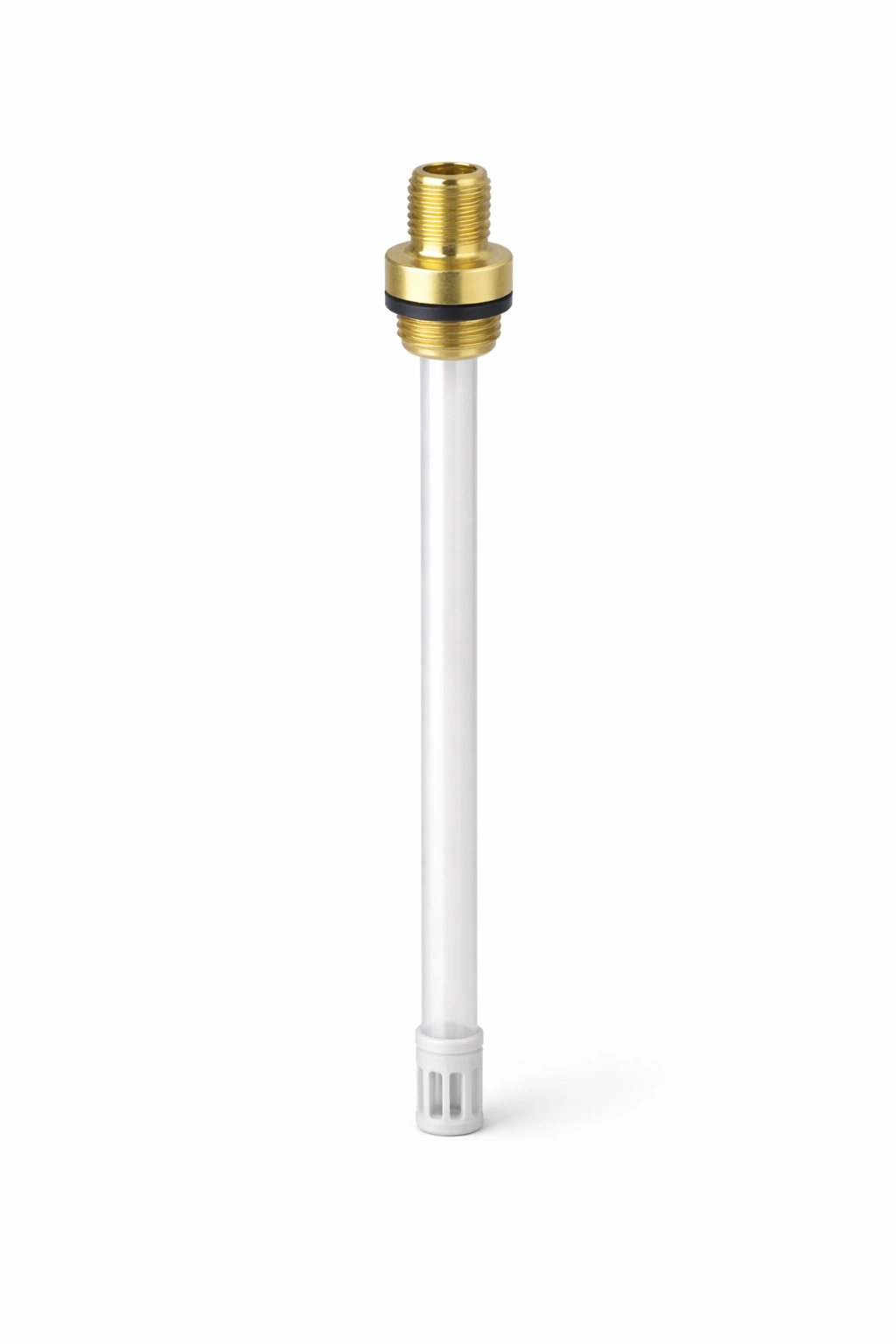
Product Details
Siphon Tube / Dip Tube – Aluminium & HDPE (Multi-Size)
Quality Assured
Premium Products
Expert Support
We're here to help
Description
The siphon tube (also called a dip tube or pick-up tube) is the internal conduit that channels the extinguishing agent from the bottom of the cylinder up to the valve and out through the discharge hose. Without it, pressurised gas would simply vent out the top of the cylinder, leaving the powder, foam, or water sitting uselessly at the bottom. It is one of the simplest yet most failure-critical components in any stored-pressure extinguisher.
Siphon tubes are manufactured in two materials: aluminium alloy (for dry chemical powder extinguishers) and high-density polyethylene (HDPE) (for water, foam, and wet chemical extinguishers). Aluminium tubes are lightweight, corrosion-resistant against MAP and bicarbonate powders, and rigid enough to maintain alignment inside the cylinder during handling and transport. HDPE tubes are chemically inert against aqueous agents, flexible enough to curve around internal components, and immune to galvanic corrosion.
The tube length must be precisely matched to the cylinder height. It should reach within 5–10 mm of the cylinder base to ensure near-complete agent pickup—a tube that is too short leaves a dead volume of un-dischargeable agent at the bottom, reducing effective capacity. A tube that is too long bottoms out, bends, and may crack at the valve connection. Most manufacturers supply siphon tubes in standard lengths (200 mm to 650 mm) keyed to common cylinder models; custom cutting is also common in high-volume refilling workshops.
The top end of the tube press-fits or threads into the valve body. The seal at this joint is critical: a loose or cracked connection allows pressurised gas to bypass the agent and vent directly, producing a spectacular but useless discharge of pure nitrogen with no firefighting capability. During every refill, the tube must be visually inspected for cracks, bends, internal blockage (powder caking is the #1 culprit), and secure valve connection.
Replacement siphon tubes are inexpensive, so the maintenance rule of thumb is simple: if in doubt, replace it. A blocked or cracked tube that goes undetected during refilling will produce a non-functional extinguisher—a liability nightmare for the service provider and a life-safety hazard for the end user.
Tubes should be stored vertically in a clean, dry environment to prevent bowing. Aluminium tubes should not be stored in contact with dissimilar metals to avoid galvanic corrosion. HDPE tubes should be kept away from direct sunlight and heat sources that could cause softening and permanent deformation.
Frequently Asked Questions
Related Products
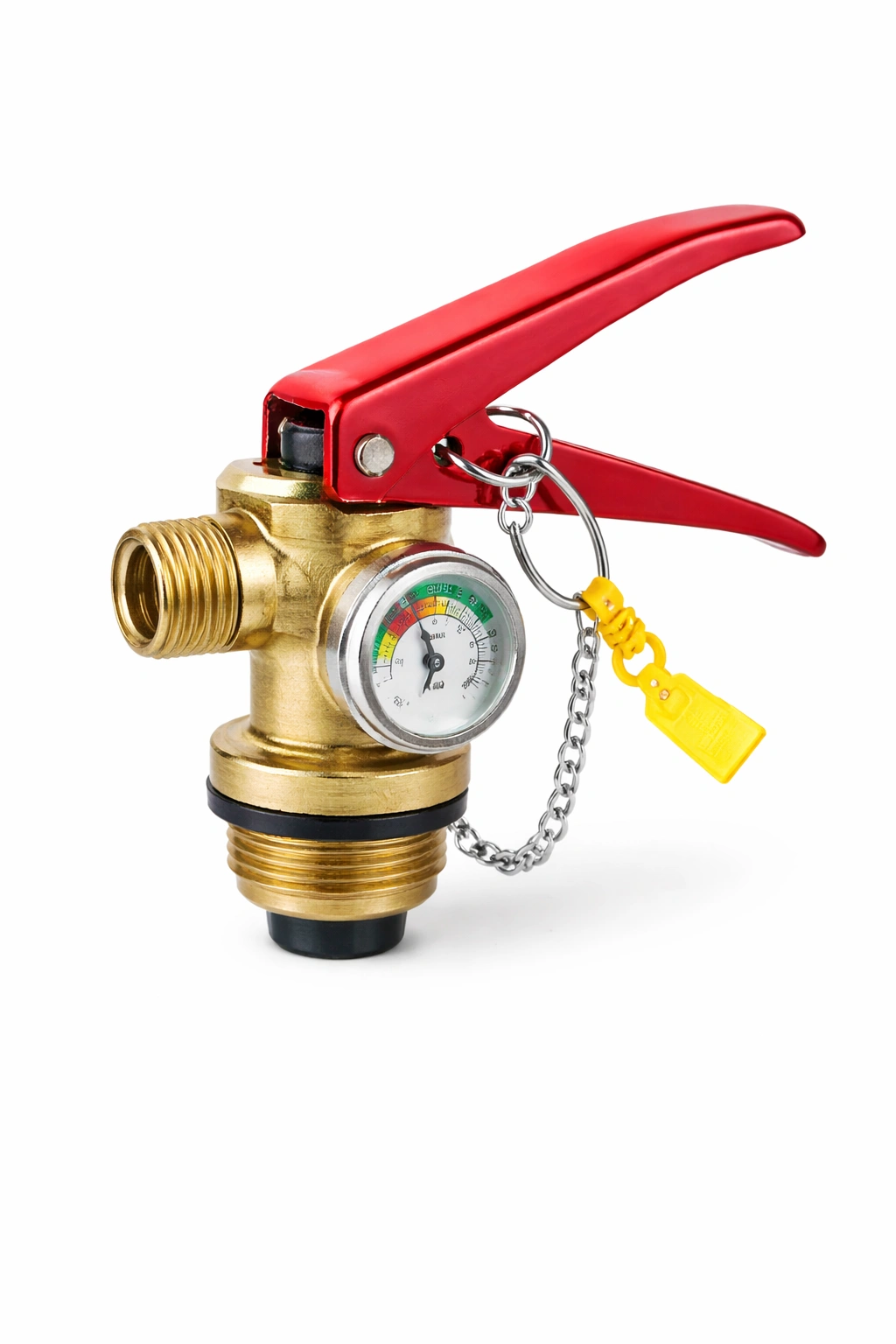
Extinguisher Valve Assembly – Brass (Squeeze-Grip & Stored-Pressure)
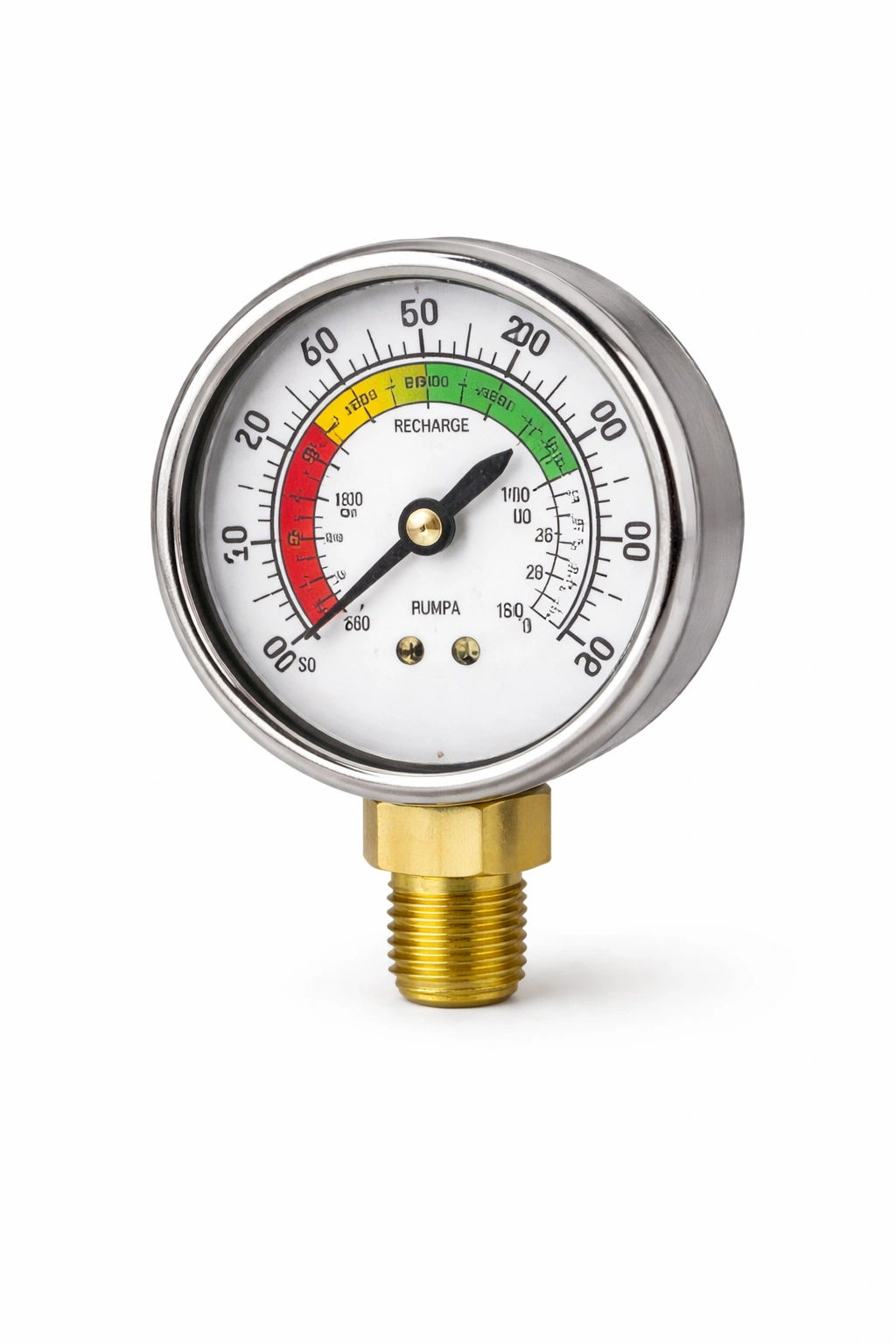
Fire Extinguisher Pressure Gauge – Bourdon Tube (Colour-Coded Dial)
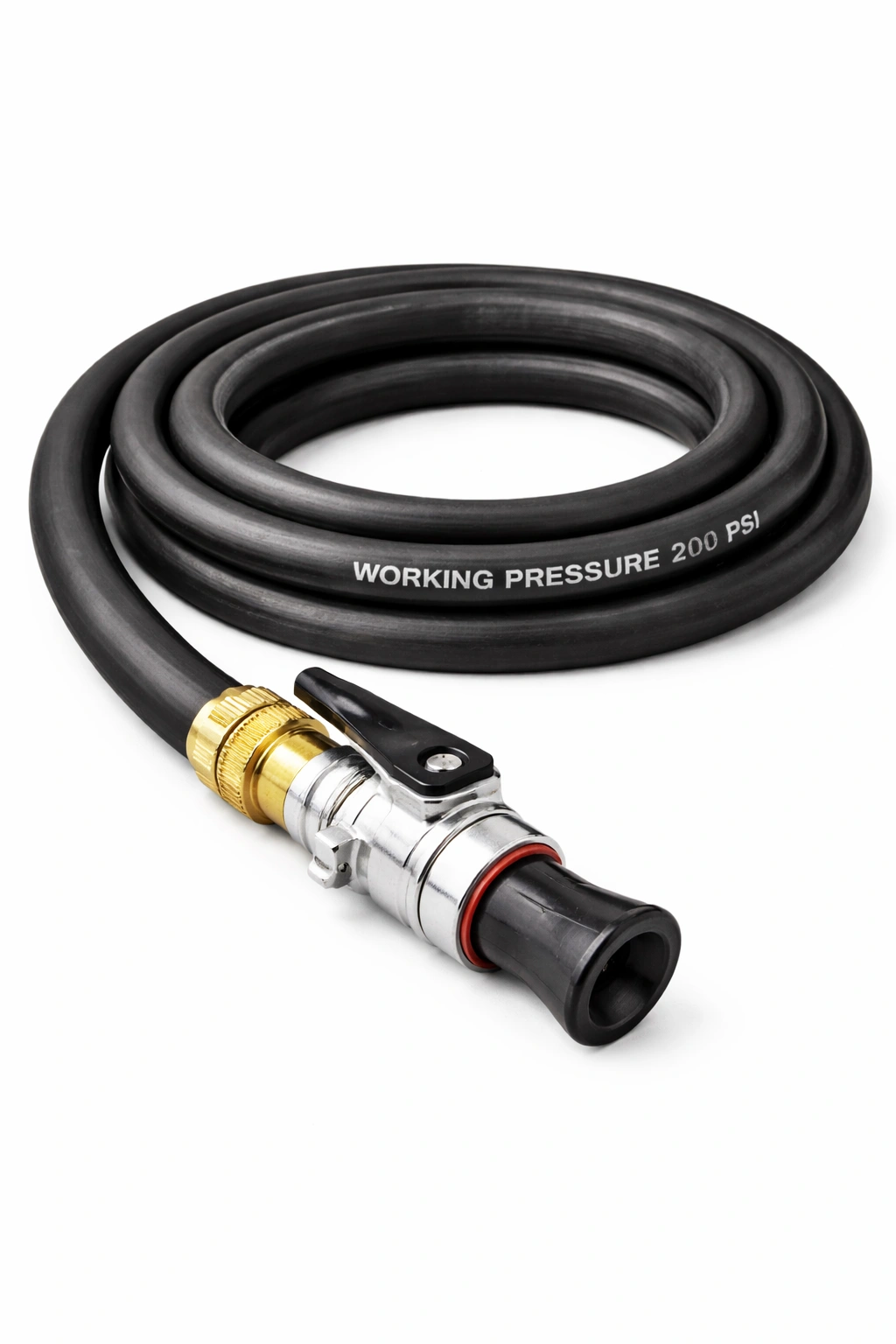
Extinguisher Discharge Hose – EPDM Rubber with Brass Coupling
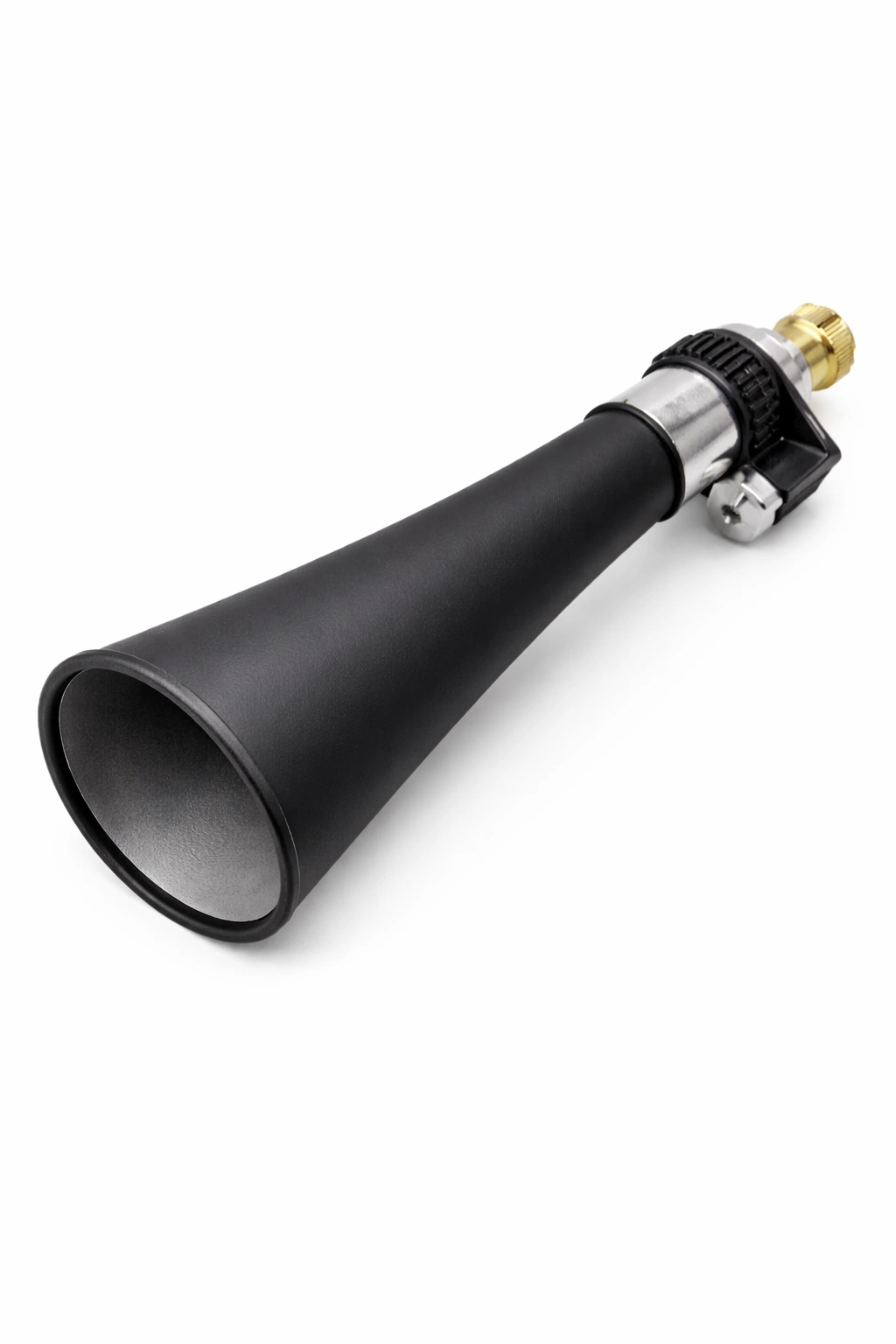
CO₂ Extinguisher Discharge Horn – Frost-Free (Anti-Static)
Related Fire Safety Services
Related Products
Extinguisher Valve Assembly – Brass (Squeeze-Grip & Stored-Pressure)
Fire Extinguisher Pressure Gauge – Bourdon Tube (Colour-Coded Dial)
Extinguisher Discharge Hose – EPDM Rubber with Brass Coupling