Product Details
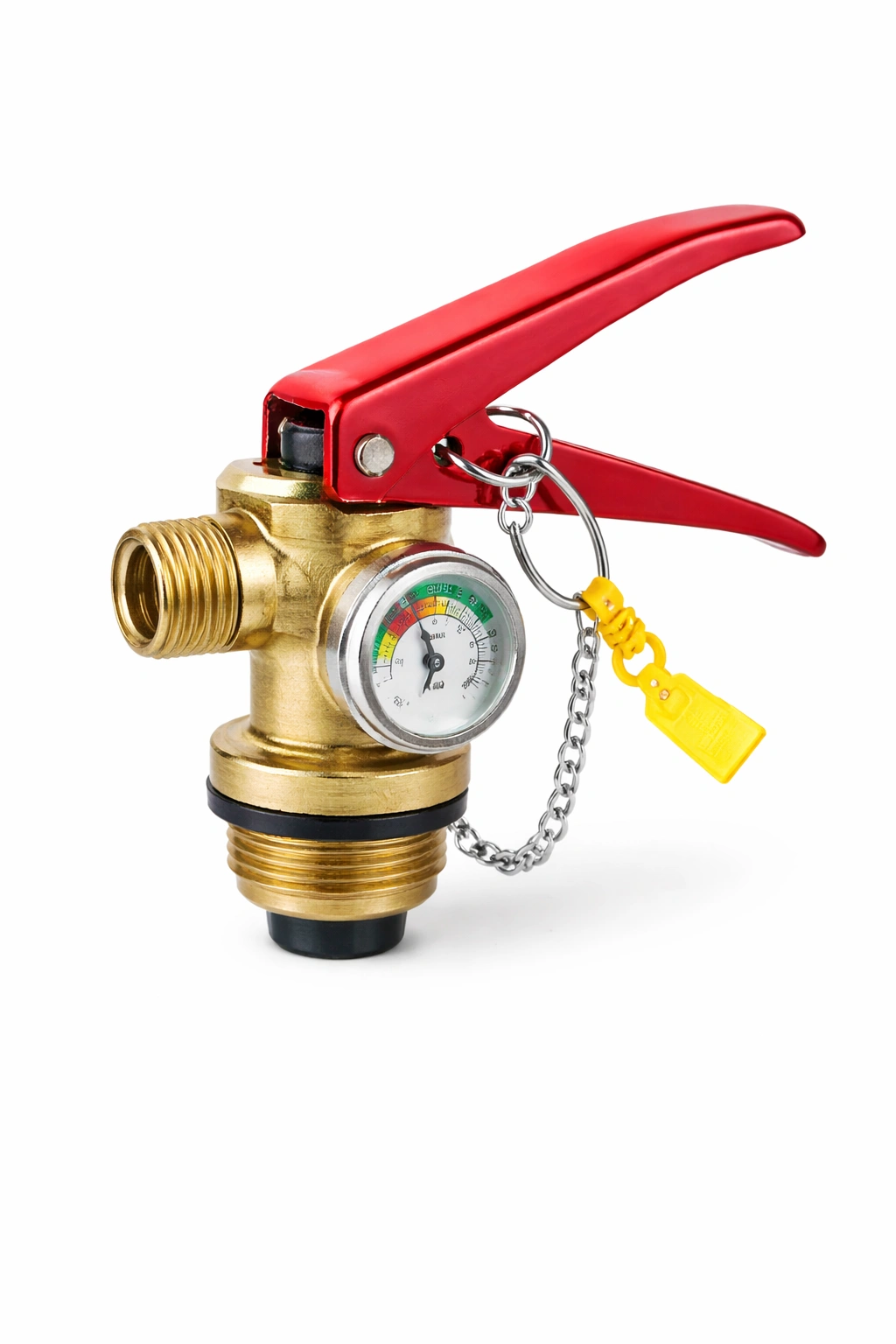
Extinguisher Valve Assembly – Brass (Squeeze-Grip & Stored-Pressure)
Quality Assured
Premium Products
Expert Support
We're here to help
Description
The valve assembly is the command-and-control centre of every portable fire extinguisher. It governs pressurisation, discharge initiation, flow control, and resealing. A defective or degraded valve turns an extinguisher into a decorative red cylinder—useless when seconds count. That is why valve replacement or overhaul is the single most critical step in every refilling and maintenance cycle.
This brass squeeze-grip valve is designed for stored-pressure ABC, BC, foam, and water-type extinguishers in the 1 kg to 10 kg / 9-litre range. The body is forged from lead-free brass (CuZn39Pb1 or equivalent), CNC machined to tight tolerances, and chrome-passivated for corrosion resistance. The squeeze handle operates a spring-loaded stem that opens the discharge orifice when gripped and reseals when released, giving the operator intermittent-discharge capability—a training and tactical advantage over single-shot cartridge-type valves.
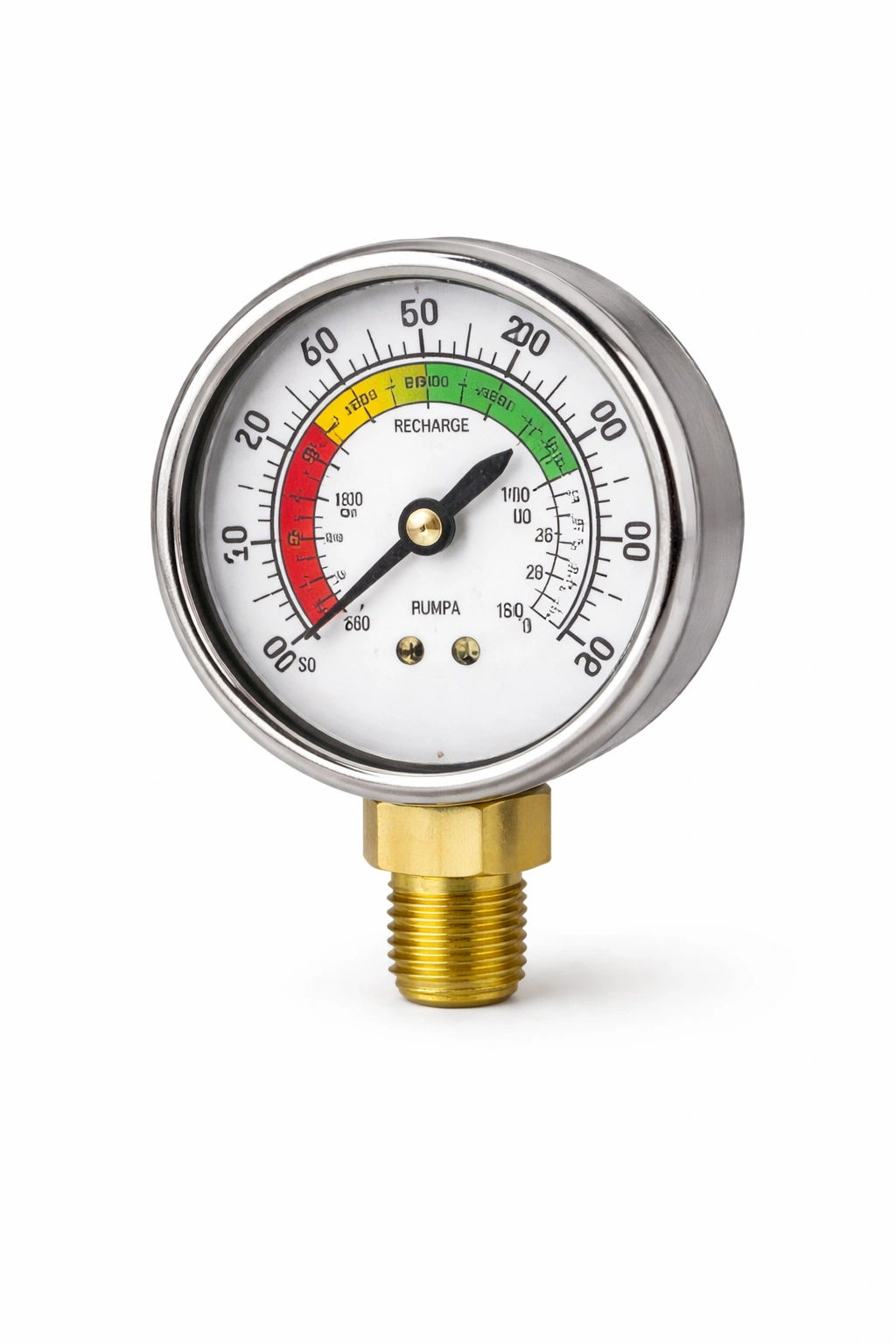
Internal components include a Viton or EPDM stem O-ring, a brass seat washer, a stainless-steel compression spring, and a safety pin with tamper-evident seal ring. The valve neck threads conform to IS 15683 and IS 2878 specifications, ensuring compatibility with standard Indian-manufactured extinguisher cylinders. A built-in gauge port accepts a ¼″ BSP bourdon-tube pressure gauge (sold separately or as a kit).
During servicing, the valve must be disassembled, ultrasonically cleaned, inspected for thread damage, stem-seat wear, and spring fatigue, then reassembled with new O-rings and a fresh safety pin. If the brass body shows cracks, thread galling, or handle pivot wear beyond tolerance, the entire assembly must be replaced—there is no safe field repair for a cracked valve body.
Quality valves should arrive individually poly-bagged with a batch code, material test certificate (MTC), and an installation data sheet listing torque specifications and compatible cylinder models. Counterfeit and sub-standard valves are a persistent problem in the Indian market; always source from BIS-licensed manufacturers and verify batch markings against the MTC.
Shelf life of a new valve assembly is effectively unlimited when stored dry and sealed. Installed valves should be overhauled at every 5-year refill and replaced outright at the 10-year hydrotest milestone, or earlier if any inspection defect is found.
Frequently Asked Questions
Stay Informed: Fire & Safety News and Updates
Subscribe to our newsletter for timely announcements on the latest government fire safety regulations, industry standards, newly released safety equipment, and product availability. Whether it's new product launches or critical rule changes, we'll keep you up to date so you can stay prepared.