Product Details
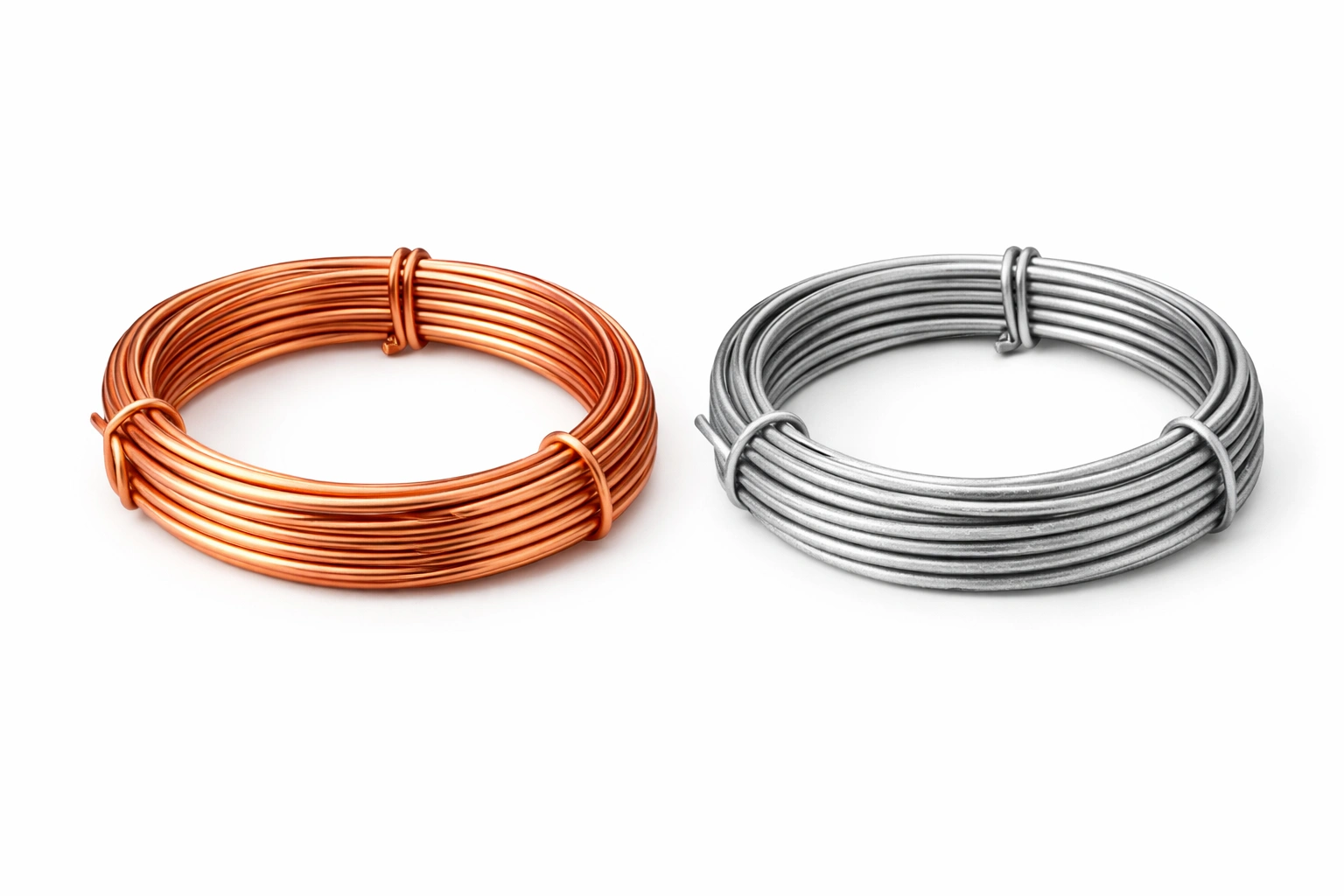
Hose Binding Wire – Copper / Galvanised Iron (14–16 SWG)
Quality Assured
Premium Products
Expert Support
We're here to help
Description
Hose binding wire is the traditional method for securing rubberised canvas fire hoses to coupling shanks (tails). While modern hose assemblies increasingly use machine-crimped ferrules, wire binding remains the dominant attachment method for field repairs, on-site hose assembly, and legacy hose types that are designed for wire-bound connections. Every fire-service workshop and hydrant maintenance team should stock binding wire as a standard consumable.
The binding process involves wrapping multiple turns of wire tightly around the hose over the coupling shank, then twisting or soldering the wire ends to lock the wrap in place. Properly done, a wire binding distributes clamping force evenly around the hose circumference—unlike a band clamp, which concentrates force at two points and can cut into the hose fabric, creating a leak path or weak point.
Two wire materials cover all common applications. Copper wire is the premium choice: it is non-sparking (safe for refineries and chemical plants), corrosion-resistant, malleable for tight wrapping, and solderable for a permanent finish. Galvanised iron (GI) wire is the economy alternative for general-purpose applications where corrosion and sparking risks are low. GI wire is stiffer and harder to wrap neatly, but it provides higher tensile strength per gauge.
The standard gauges for fire-hose binding are 14 SWG (~2.0 mm) and 16 SWG (~1.6 mm). Heavier gauge (14 SWG) is used for 63 mm delivery hoses under high working pressures; lighter gauge (16 SWG) is adequate for 19 mm hose-reel tubing and low-pressure suction hose connections. Using wire that is too thin risks bursting under pressure; wire that is too thick is difficult to wrap and may damage the hose fabric.
For field repairs, carry a 1 kg coil of each material and gauge in the maintenance kit along with binding pliers, a soldering iron (for copper), and wire cutters. A trained technician can wire-bind a coupling in under 10 minutes. The finished binding should be tight, uniform, and free of sharp wire ends that could injure the operator or snag on equipment.
Quality check: after binding, pressurise the hose to 1.5× working pressure for 2 minutes and inspect the binding for slippage, wire breakage, or hose bulging. Any failure requires rebinding or replacement of the hose assembly.
Frequently Asked Questions
Related Products
Stay Informed: Fire & Safety News and Updates
Subscribe to our newsletter for timely announcements on the latest government fire safety regulations, industry standards, newly released safety equipment, and product availability. Whether it's new product launches or critical rule changes, we'll keep you up to date so you can stay prepared.