Product Details
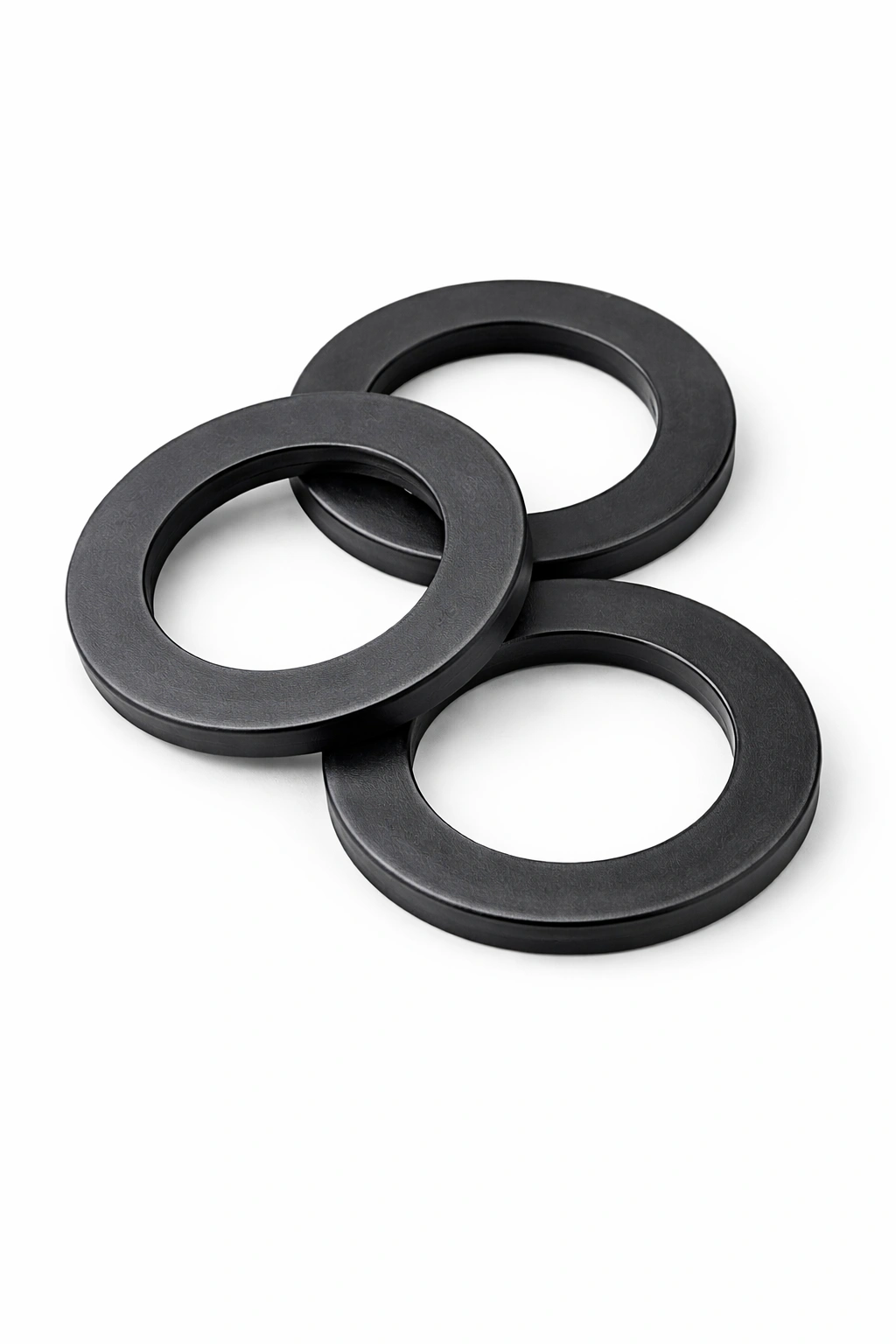
Hydrant Coupling Washer – Natural Rubber / Neoprene Gasket (63 mm)
Quality Assured
Premium Products
Expert Support
We're here to help
Description
The hydrant coupling washer is the single most replaced component in the entire fire hydrant system—and paradoxically, one of the cheapest. It is a flat or D-profile rubber gasket seated inside the female instantaneous coupling, creating the watertight seal when two coupling halves are mated. Every time a hose is connected to a landing valve, a standpipe, or another hose length, this small rubber ring is the only thing standing between a functional high-pressure water stream and a spray of leaks that reduce nozzle pressure, waste water, and compromise firefighting effectiveness.
The most common failure mode is depressingly mundane: age-related hardening. Natural rubber washers lose elasticity over time, especially when exposed to UV light, ozone, and temperature cycling. A hardened washer no longer compresses enough to fill the machined recess in the coupling face, resulting in a visible leak at the joint. In severe cases, the washer cracks and falls out entirely during coupling—leaving no seal at all.
Two material options cover the majority of applications. Natural rubber (NR) is the traditional, low-cost choice for clean-water hydrant systems. It provides excellent compression and recovery in the 0–50 °C range and is compatible with potable and raw water. Neoprene (CR) is specified where the washer may contact petroleum products, oils, or industrial chemicals—common in GIDC industrial estates where hydrant systems may be fed from process water or where coupling halves are handled with oily gloves.
The standard Indian fire hydrant coupling uses a 63 mm (2½″) instantaneous female recess. Washers for this size have an ID of approximately 55–58 mm, an OD of 72–75 mm, and a thickness of 5–6 mm, depending on the coupling manufacturer. The fit must be snug within the recess—a washer that is too small will fall out during handling; one that is too large will pinch and tear when the coupling is closed. Always stock the specific washer profile matched to the coupling brand installed on site.
Best practice is quarterly replacement for high-use hydrant points (drill/training hydrants, fire-brigade connection points) and at least annual replacement for all other coupling washers. The cost is trivial (₹5–₹15 per washer), so the replacement decision should never be delayed by budget concerns. Keep a stock of 50–100 washers in the hydrant maintenance kit and in every fire-tender locker.
Store spare washers in a sealed, opaque bag away from sunlight, ozone sources (electric motors, welding sets), and petroleum solvents. Natural rubber degrades rapidly under UV and ozone exposure; neoprene is more resistant but should still be stored properly. Shelf life in sealed packaging is 3–5 years for NR and 5–7 years for neoprene.
Frequently Asked Questions
Related Products

Stay Informed: Fire & Safety News and Updates
Subscribe to our newsletter for timely announcements on the latest government fire safety regulations, industry standards, newly released safety equipment, and product availability. Whether it's new product launches or critical rule changes, we'll keep you up to date so you can stay prepared.