Product Details
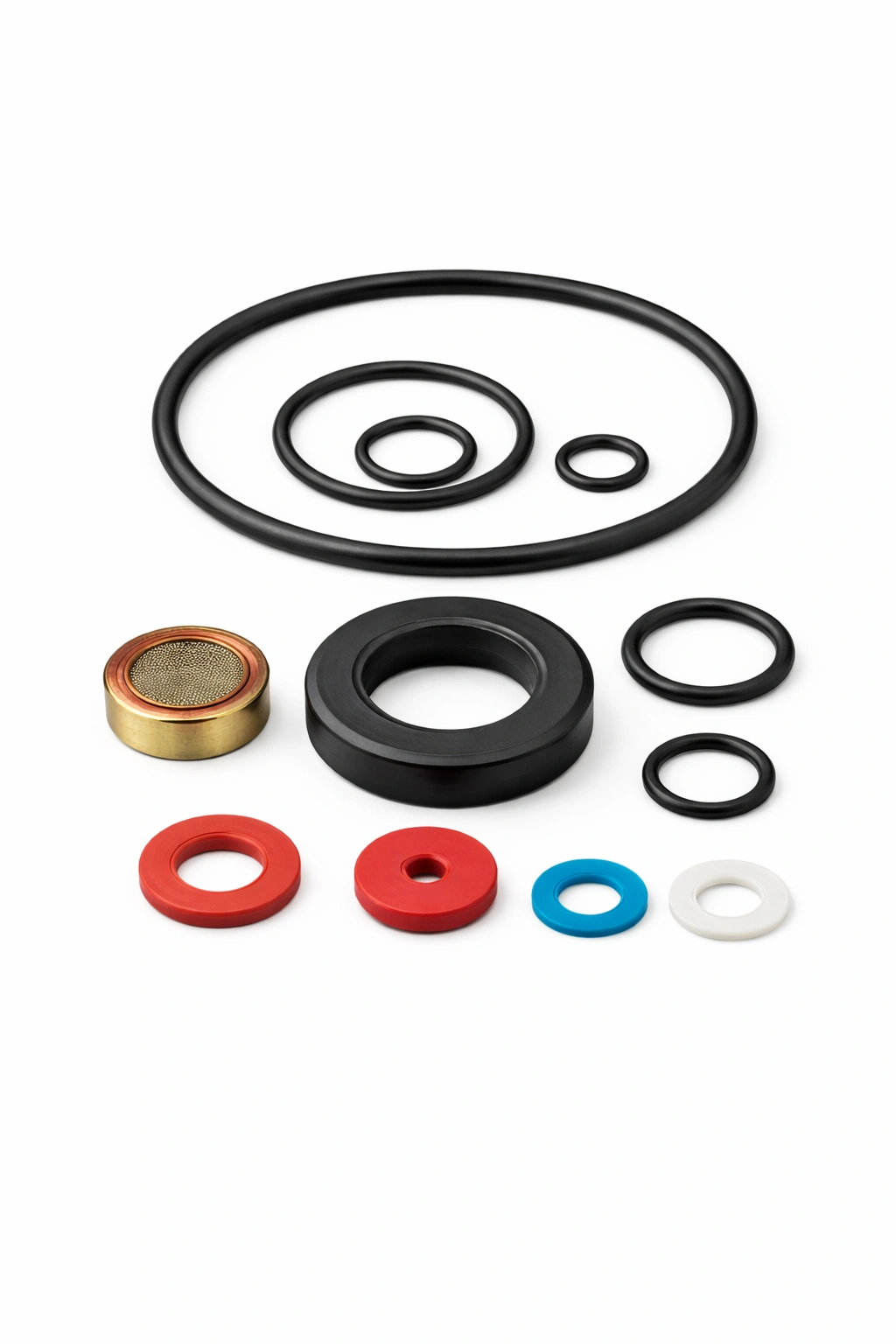
Extinguisher Valve O-Ring & Seal Kit – Multi-Size Viton/EPDM
Quality Assured
Premium Products
Expert Support
We're here to help
Description
O-rings and seals are the smallest, cheapest, and most frequently replaced components in fire-extinguisher maintenance—and arguably the most consequential. A single degraded O-ring, invisible to a casual glance, can cause a slow nitrogen leak that silently depressurises an extinguisher over weeks. The gauge may still read green (stuck pointer, or a leak too slow to move the gauge visibly), but when the operator squeezes the handle, the extinguisher produces a feeble puff instead of a powerful discharge. In fire-safety terms, this is a catastrophic failure mode—and it starts with a ₹5 rubber ring.
This multi-size O-ring and seal kit is designed for the refilling workshop that services multiple brands and models. It contains a curated assortment of Viton (FKM) and EPDM O-rings in the sizes most commonly used in Indian-market portable extinguishers: valve-stem seals, gauge-port seals, hose-coupling seals, and safety-pin retainer rings. Viton is specified for powder and CO₂ extinguishers (superior chemical resistance and temperature tolerance), while EPDM is specified for water, foam, and wet chemical types (better aqueous-agent compatibility).
Each O-ring is manufactured to AS 568 / IS 5525 dimensional tolerances, with hardness typically in the 70–80 Shore A range—soft enough to seal reliably under moderate compression but hard enough to resist extrusion at working pressures up to 25 bar. The cross-section and internal diameter must match the valve groove precisely: an undersized O-ring will be over-stretched and prone to early failure; an oversized one will pinch and tear during assembly.
Best practice in the refilling workshop is a blanket O-ring replacement policy: every O-ring in the valve assembly is replaced at every service, regardless of apparent condition. The cost is negligible compared to the liability of a single leaking extinguisher. Used O-rings should never be reinstalled—compression set (permanent deformation from sustained clamping) is invisible but destroys sealing performance.
Before fitting a new O-ring, clean the groove thoroughly (remove old sealant residue, powder contamination, and corrosion), inspect the groove walls for nicks or burrs that could cut the new ring, and apply a thin film of silicone lubricant to the O-ring surface. Silicone lube reduces installation damage, helps the ring seat properly, and extends service life.
The kit arrives in a compartmented storage box with each size labelled by ID × CS (internal diameter × cross-section) and material. Wall-mount the box in the workshop for instant access during refilling runs. Reorder any size that drops below 20 pieces in stock—running out of a specific O-ring size during a batch refill halts the entire production line.
Frequently Asked Questions
Related Products
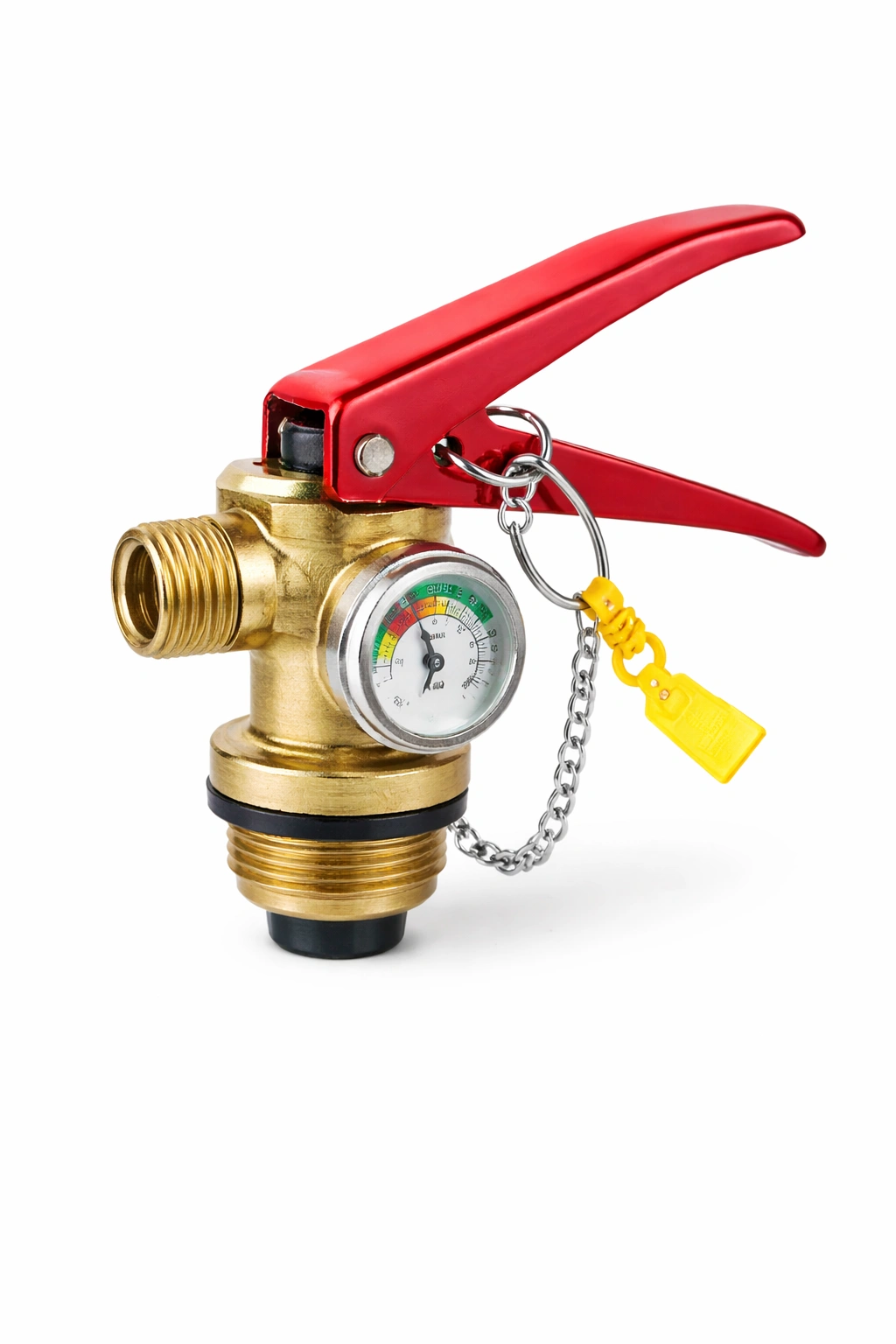
Extinguisher Valve Assembly – Brass (Squeeze-Grip & Stored-Pressure)
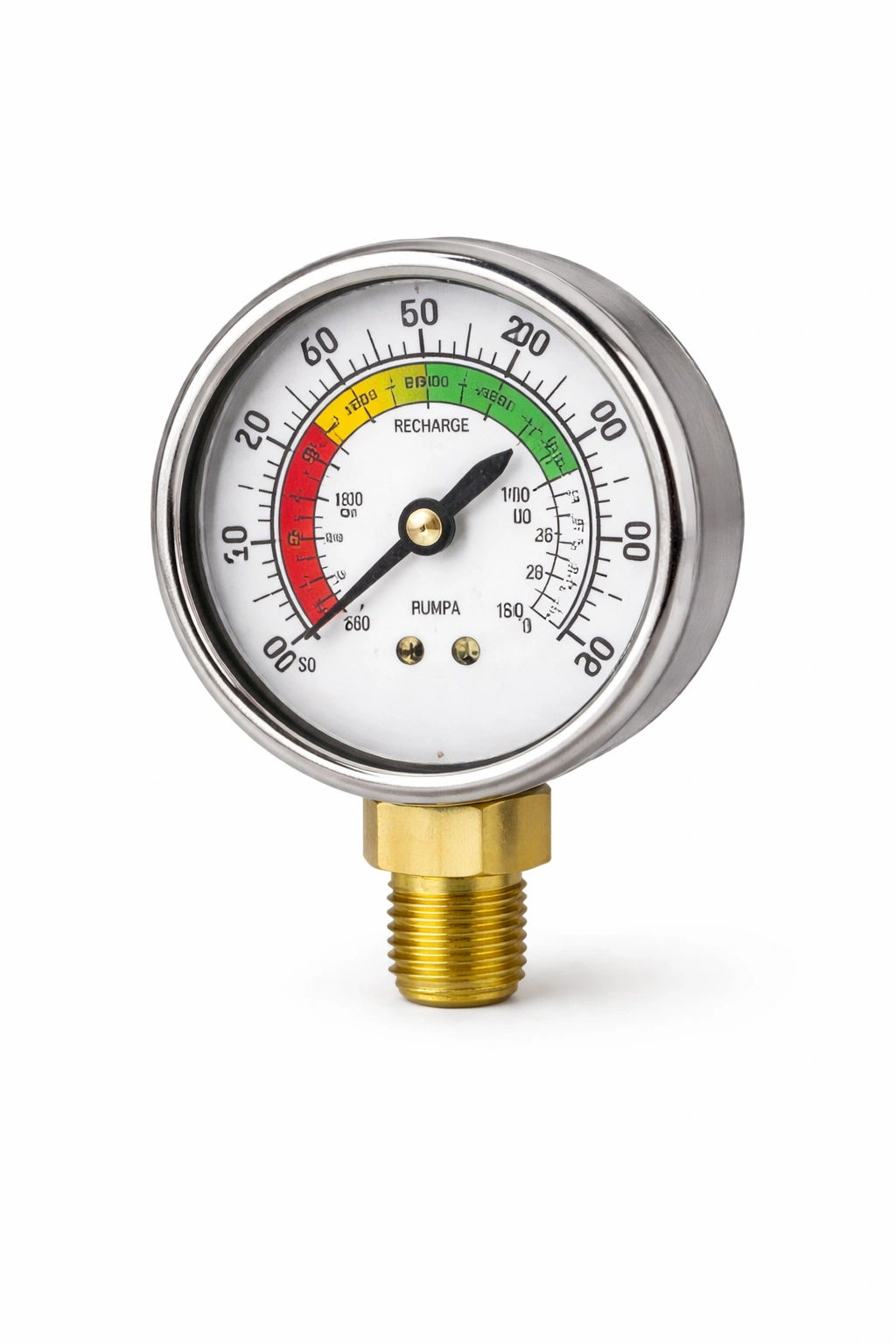
Fire Extinguisher Pressure Gauge – Bourdon Tube (Colour-Coded Dial)
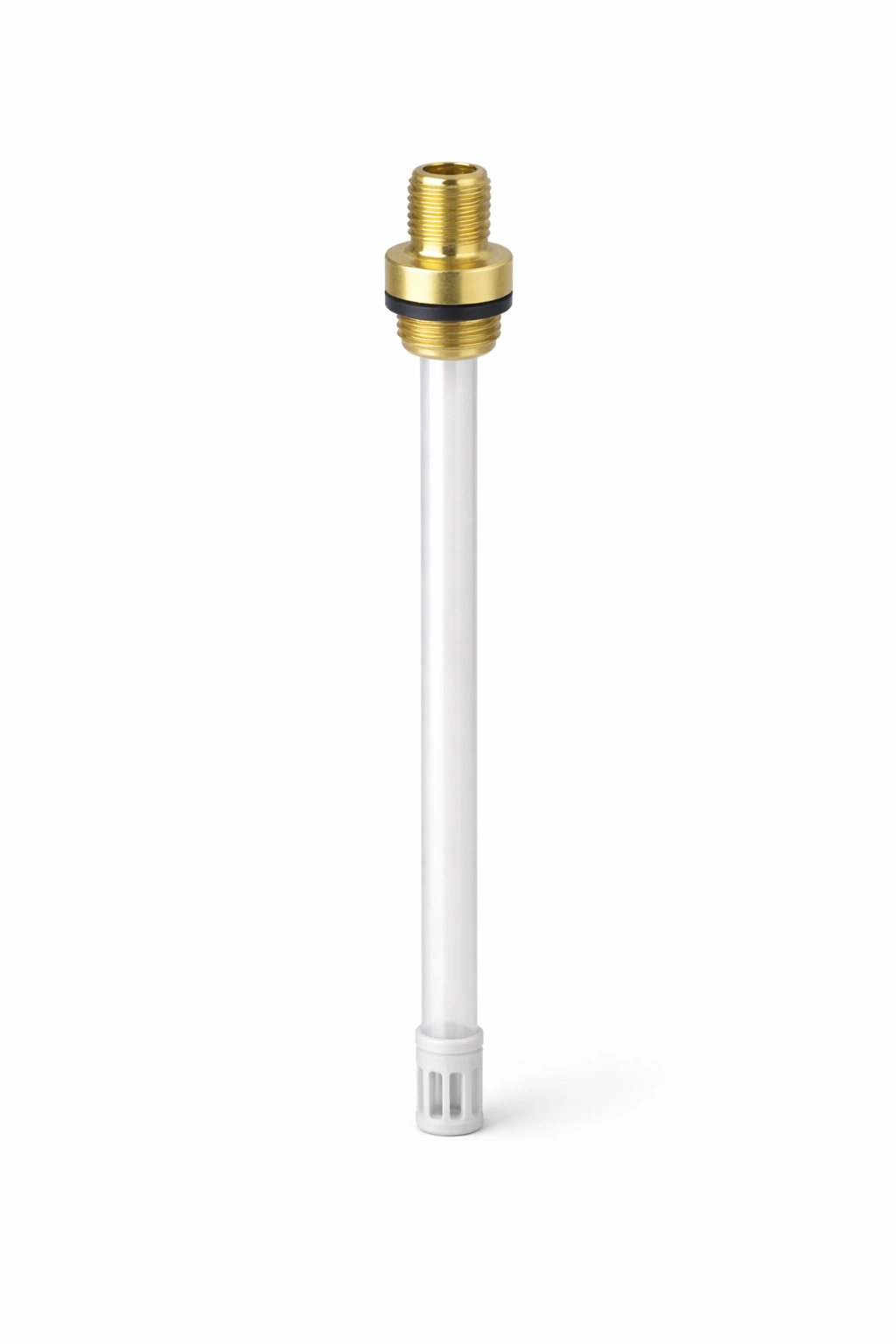
Siphon Tube / Dip Tube – Aluminium & HDPE (Multi-Size)
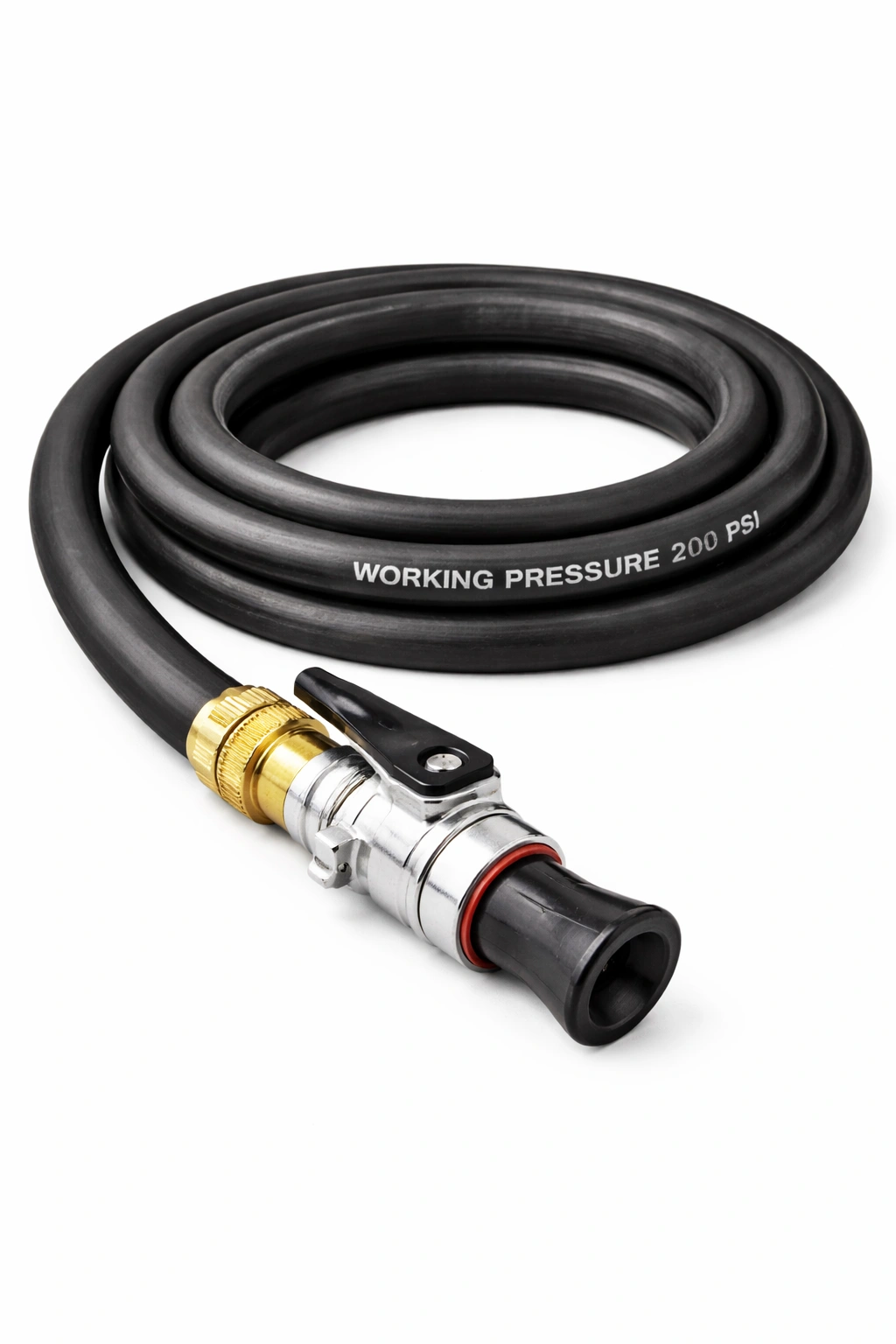
Extinguisher Discharge Hose – EPDM Rubber with Brass Coupling
Related Fire Safety Services
Related Products
Extinguisher Valve Assembly – Brass (Squeeze-Grip & Stored-Pressure)
Fire Extinguisher Pressure Gauge – Bourdon Tube (Colour-Coded Dial)
Siphon Tube / Dip Tube – Aluminium & HDPE (Multi-Size)